Best Time to Visit Costa Teguise
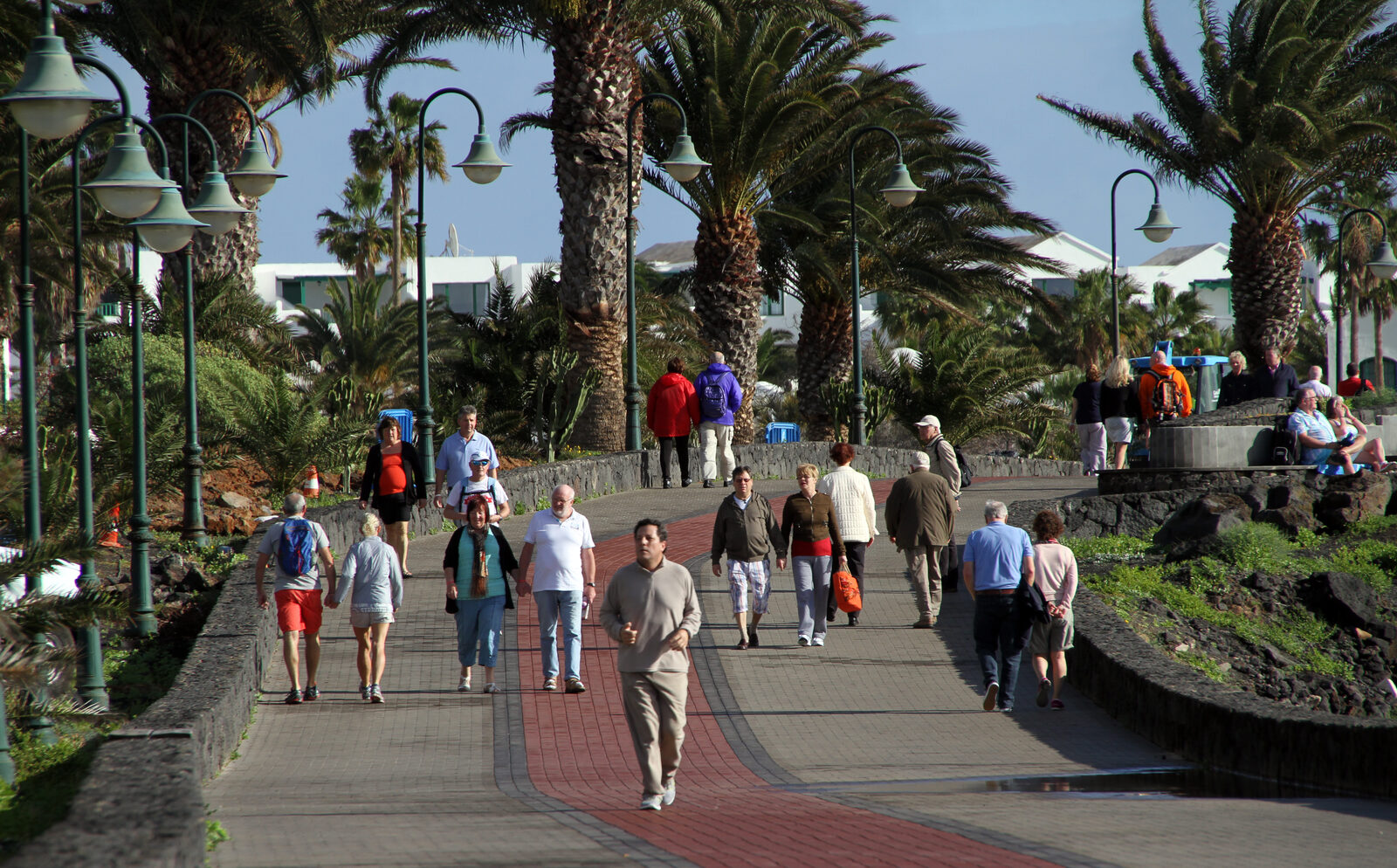
Costa Teguise has the kind of climate that sells itself in numbers. The official AEMET station at Lanzarote airport, around 14 kilometres south-west of the resort, records 21.1°C as the annual mean temperature, 2,986 hours of sunshine a year, and 111 mm of rain spread over 19 days with measurable rainfall. That puts it in the same dry, mild band as the African Saharan coast it sits 125 kilometres off. The average tells you something about the island. It does not tell you which month to actually book.
We live in Costa Teguise and host Casa Los Alisios. The villa is named after the alisios, the NE trade winds that shape every micro-decision about when to come, where on the island to stay, and what to plan. This is the guide we send to guests who ask “is May better than October” or “is December really beach weather”. The answer is more interesting than the averages suggest.
Costa Teguise weather at a glance
Numbers below are AEMET’s official climatological normals for Lanzarote/Aeropuerto, reference period 1981-2010 (AEMET’s 1991-2020 update is not yet published at station level as of May 2026). Sea temperatures are cross-checked between Seatemperature.info and Weather2Travel for Costa Teguise specifically.
| Month | Avg high | Avg low | Sea temp | Rain days | Sun hours | Quick read |
|---|---|---|---|---|---|---|
| Jan | 20.7°C | 14.0°C | 19°C | 3.2 | 203 | Cool, sunny, some rain. Cheapest after first week. Calima risk. |
| Feb | 21.3°C | 14.3°C | 18°C | 2.7 | 201 | Coldest sea. Carnival starts. Calima risk highest. |
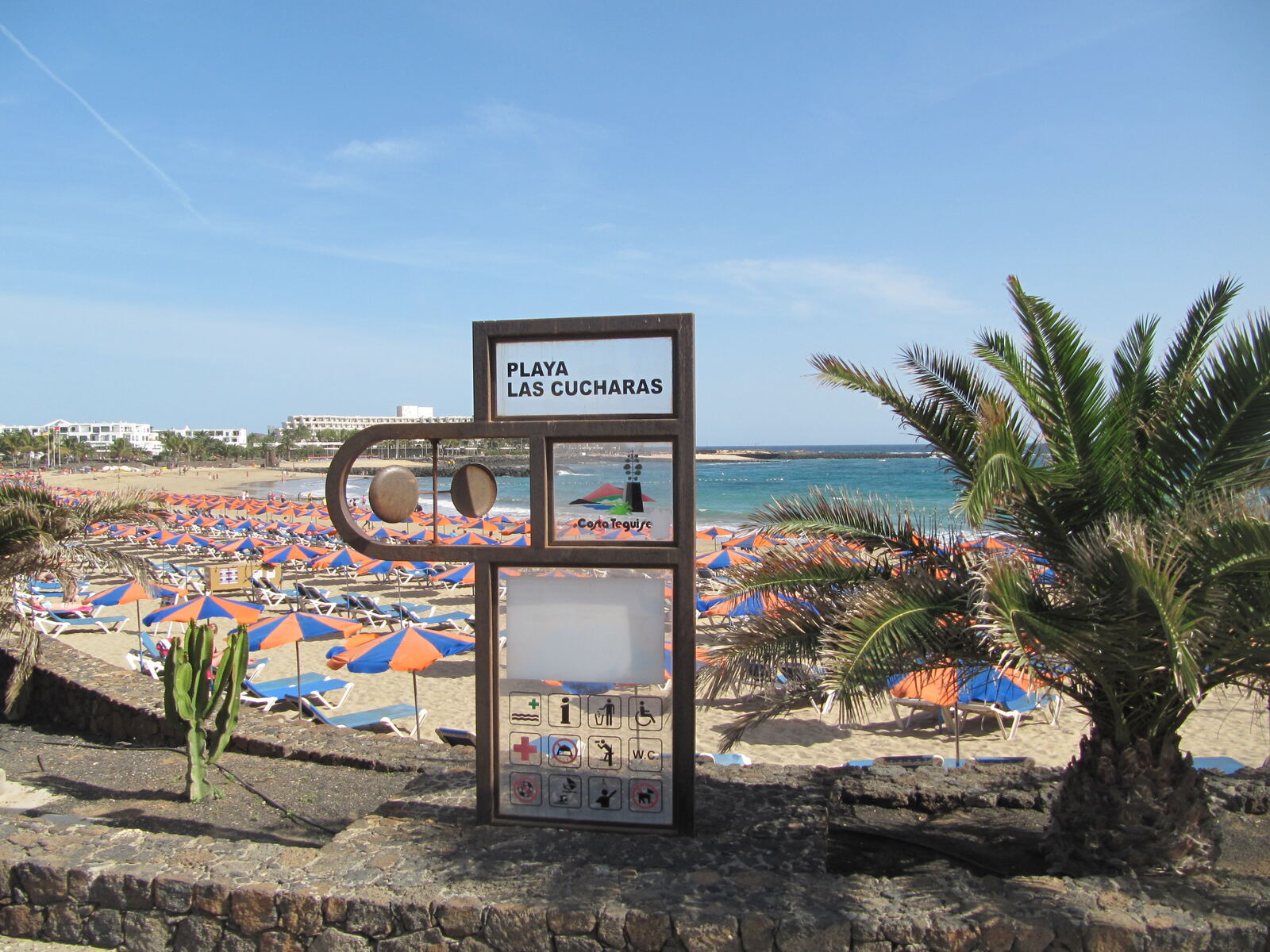
| Mar | 22.9°C | 15.0°C | 18°C | 2.4 | 241 | Triathlon season opens at Las Cucharas. Sun returns. |
| Apr | 23.5°C | 15.7°C | 18-19°C | 1.3 | 255 | Almost zero rain. Strong sun. Easter pricing. |
| May | 24.6°C | 16.8°C | 19-20°C | 0.4 | 297 | Best month for hikers and runners. Trade winds returning. |
| Jun | 26.3°C | 18.8°C | 20-21°C | 0.0 | 292 | Wine Run weekend. Cheap before UK summer holidays. |
| Jul | 28.2°C | 20.4°C | 21-22°C | 0.0 | 308 | Peak windsurf at Las Cucharas. Hottest air, busy. |
| Aug | 29.1°C | 21.2°C | 22°C | 0.1 | 295 | Total solar eclipse (partial here). Spanish family peak. |
| Sep | 28.6°C | 20.8°C | 22-23°C | 0.4 | 248 | Warmest sea. Trade winds easing. Romería pilgrimage. |
| Oct | 26.7°C | 19.4°C | 22-23°C | 1.9 | 235 | Best all-round month. Sea still warm, crowds dropping. |
| Nov | 24.2°C | 17.2°C | 21-22°C | 3.0 | 207 | Saborea Lanzarote food festival. Quiet shoulder. |
| Dec | 21.8°C | 15.4°C | 20°C | 3.8 | 196 | Wettest month. Marathon weekend. Christmas peak prices. |
| Year | 24.8°C | 17.4°C | 20°C avg | 19 days | 2,986 | - |
Source: AEMET station C029O Lanzarote/Aeropuerto, 1981-2010 normals. Sea temps cross-referenced from seatemperature.info and weather2travel.com.
Why “month” matters more on Lanzarote than the averages suggest
Three things make Lanzarote different from a generic Mediterranean week.
The alisios. The NE trade winds blow at 10 to 14 knots most of the year and ramp up to roughly 19 knots in July. They are why the villa we host is called Casa Los Alisios. They cool the windward east coast where Costa Teguise sits by 4 to 5°C against what the air-temperature column reads. On a 28°C July afternoon, the promenade feels closer to 24°C in the shade. They also drive the windsurf and wing scene at Las Cucharas, push surfers from the south to Famara on the north coast, and make hot inland hikes harder than they look on paper.
Calima. A few times a year, mostly in winter, the wind shifts SE and brings a hot, dusty layer off the Sahara. The sky goes orange-grey, PM10 air-quality readings spike, and visibility drops. Average events last around 1.8 days. The whole island sees about 24 calima days a year. Most are mild. The “supercalima” of February 2020, which shut down Canary Islands airports for two days and registered a PM10 reading of 5,254 µg/m³ in Gran Canaria, is the once-in-a-generation outlier most people remember. If you are sensitive to dust or asthma, January and February carry the highest risk.
The micro-coast. The leeward south coast (Playa Blanca, Puerto del Carmen) shelters from the trade winds; the windward east and north coasts (Costa Teguise, Famara, Arrieta) are exposed. In summer the difference is a feature: the south is hot and still, the east is breezy and cooler. In winter it can flip the other way, with northerly swells slamming the cliffs at Famara while Costa Teguise stays sheltered. We’ve covered the comparison in detail in our Costa Teguise vs Playa Blanca for families and Costa Teguise vs Puerto del Carmen guides.
The rest of this guide goes month by month, then narrows to specific traveller types at the end.
January in Costa Teguise
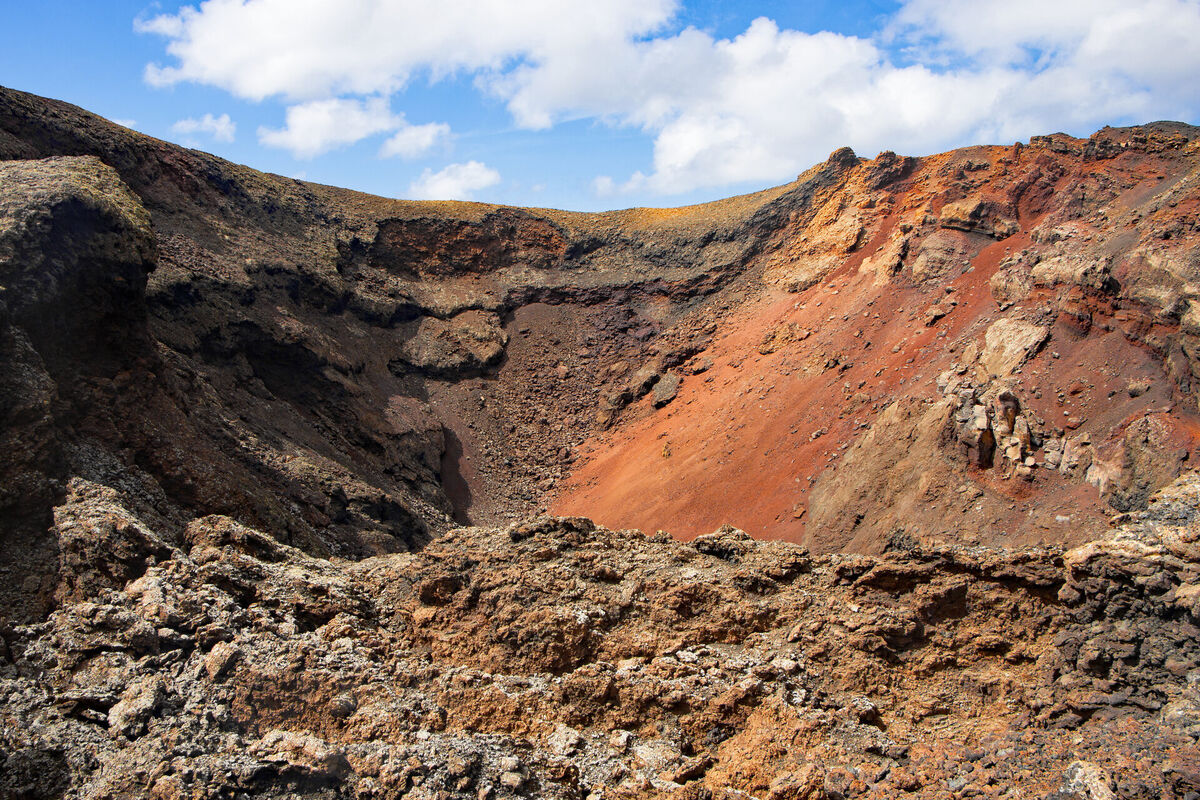
The numbers. Average high 20.7°C, average low 14.0°C, sea 19°C, around 3 rain days, 203 hours of sunshine. The first week often catches the tail of an Atlantic low, then settles into the dry, cool pattern that holds through to March.
What it feels like. Cool mornings (sweater for the 8 am coffee on the terrace), warm afternoons (T-shirt by 11 am if the wind drops), cold sea by Lanzarote standards. The trade winds are at their annual low so you get calm days where Las Cucharas looks like a swimming pool. Calima risk starts to climb, especially in the second half of the month.
What’s on. The Festival Internacional de Música de Canarias brings classical concerts to Jameos del Agua and Auditorio de Jameos. In 2026, Yuja Wang plays with the Mahler Chamber Orchestra at Jameos del Agua on 19 January. Beyond that, the island is quietly busy with British and Irish winter-sun visitors and very few Spanish tourists.
Crowds and price. Mid-tier overall, with a soft pocket from around 10 January through to the start of February. Hotels reset after New Year and you can get genuine value before Carnival kicks off.
Who this month works for. Cyclists, hikers, and remote workers. The light is at its softest of the year, the roads are quiet, and the villa’s home office makes more sense in January than in any peak month. It’s the wrong month for committed swimmers; the sea is technically swimmable but most northern Europeans pull a face.
February in Costa Teguise
The numbers. Average high 21.3°C, average low 14.3°C, sea 18°C (the year’s coldest), around 2.7 rain days, 201 sunshine hours. February temperatures are nudging up while the sea is still catching up.
What it feels like. Days are noticeably brighter than January. Carnival pulls people onto the streets in the second half of the month. Calima risk peaks: this is the month of the historical big events, including the February 2020 supercalima.
What’s on. Carnaval Arrecife runs 6-18 February 2026 with the Gran Coso parade on Monday 16 February (theme: 80s/90s kids’ TV). Carnaval Puerto del Carmen follows 19-22 February with its Gran Coso on Saturday 21 February (Roaring 1920s theme). Costa Teguise’s own Carnival doesn’t start until early March, so for now you take the bus or drive over to Arrecife.
Crowds and price. Bumps up around Carnival weekends, then quiet again. Spanish mainlanders are at home. UK half-term weeks (varies by council) push up family hotels late in the month.
Who this month works for. Carnival watchers, divers (visibility is at its best between January and March), and anyone who wants to combine warm days with cool, low-stakes evenings. Skip if you mainly came to swim.
March in Costa Teguise
The numbers. Average high 22.9°C, average low 15.0°C, sea 18°C, around 2.4 rain days, 241 sunshine hours. The big jump in sunshine versus February (40 extra hours) is your first sign of full spring.
What it feels like. Warm in the sun, cool in the shade. Trade winds still light. Sea still cold but starting to creep up.
What’s on. Carnaval Costa Teguise runs 2-8 March 2026 with the Gran Coso parade on Saturday 7 March (theme: Mexico). It’s the smallest of the three island Carnivals and the easiest one to walk to from the villa. The World Triathlon Cup Lanzarote returns to Las Cucharas beach on 14 March 2026 with sprint-distance racing and turns the seafront into a stadium for an evening. Easter falls late in March in 2026, with Canary Islands Semana Santa school holidays running 30 March to 3 April; expect Spanish-mainland and family arrivals to swell from the last weekend.
Crowds and price. Quiet through the first three weeks, then steep climb into Easter week. Triathlon weekend books up the Costa Teguise hotels.
Who this month works for. Triathletes, cyclists, and triathlon spectators (it’s free to watch from the promenade). Hikers also do well: the wildflowers are out across the walks behind the villa and along the Famara cliffs.
April in Costa Teguise
The numbers. Average high 23.5°C, average low 15.7°C, sea 18-19°C, just 1.3 rain days, 255 sunshine hours. April is one of the driest months on a per-day basis. UV index sits around 9 (very high) by mid-month so sunscreen rules tighten up.
What it feels like. Warm enough that locals start wearing shorts again. Sea still cool but tolerable on a hot afternoon. Trade winds remain off-peak, though they start to firm up by month-end.
What’s on. Easter overlaps the start of April: the Canaries’ Semana Santa school holidays run 30 March to 3 April and bring the biggest Spanish family wave of spring. Italian Pasqua (Easter Sunday) falls on 5 April 2026, French and German school holidays land in this window, and Dutch Meivakantie starts 25 April. After Easter ends the island goes quiet again until late May.
Crowds and price. Easter week is a peak (school holidays in five of the six markets that send guests to Costa Teguise overlap). The week after is often the cheapest week of spring.
Who this month works for. Anyone who wants strong sun without windsurf-season chop. Cyclists love April: cool mornings, dry roads, and the LZ-1 to Mirador del Río climb is at its best. Beach days work but the sea bites for the first 30 seconds.
May in Costa Teguise
The numbers. Average high 24.6°C, average low 16.8°C, sea 19-20°C, less than half a rain day, 297 sunshine hours. May has more sunshine than any month before July. Effectively zero rain.
What it feels like. Spring tipping into summer. Air is reliably warm by mid-morning, evenings are mild enough for outdoor dinners. Trade winds picking up but not yet at peak. UV index above 9.
What’s on. IRONMAN Lanzarote on 23 May 2026 is the island’s biggest sporting event and one of the toughest courses on the world circuit (3.8 km swim, 180 km bike, 42 km run). It’s based at Club La Santa with the bike course climbing through Tinajo, Haria and Mirador del Río before the marathon along Puerto del Carmen’s seafront. We have a separate guide on where to stay for IRONMAN Lanzarote including how to use Costa Teguise as a base. UK May half-term (25-29 May 2026) pushes British family arrivals up. Día de Canarias on 30 May is a regional holiday; expect Canarian families on the beaches.
Crowds and price. Soft until the last week. The first two weeks of May are a genuine value pocket. Last weekend climbs sharply on UK half-term + Día de Canarias + IRONMAN bookings.
Who this month works for. The honest answer: most people. Hikers, runners, cyclists, beach families, remote workers, and anyone who hates queues. May and October share the title of best month overall.
June in Costa Teguise
The numbers. Average high 26.3°C, average low 18.8°C, sea 20-21°C, zero rain days, 292 sunshine hours. The trade winds are now at full strength most days.
What it feels like. Reliably warm without being uncomfortable, especially with the breeze. Sea is finally comfortable for full swim sessions without a wetsuit. UV index sitting around 11 (extreme) so sunscreen at midday is non-negotiable.
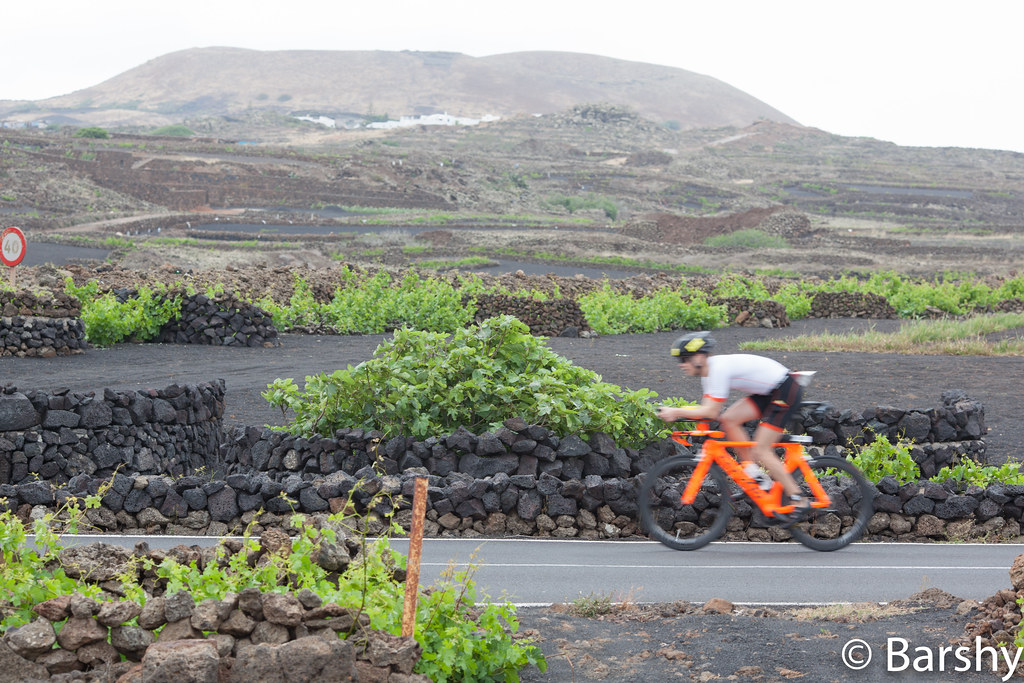
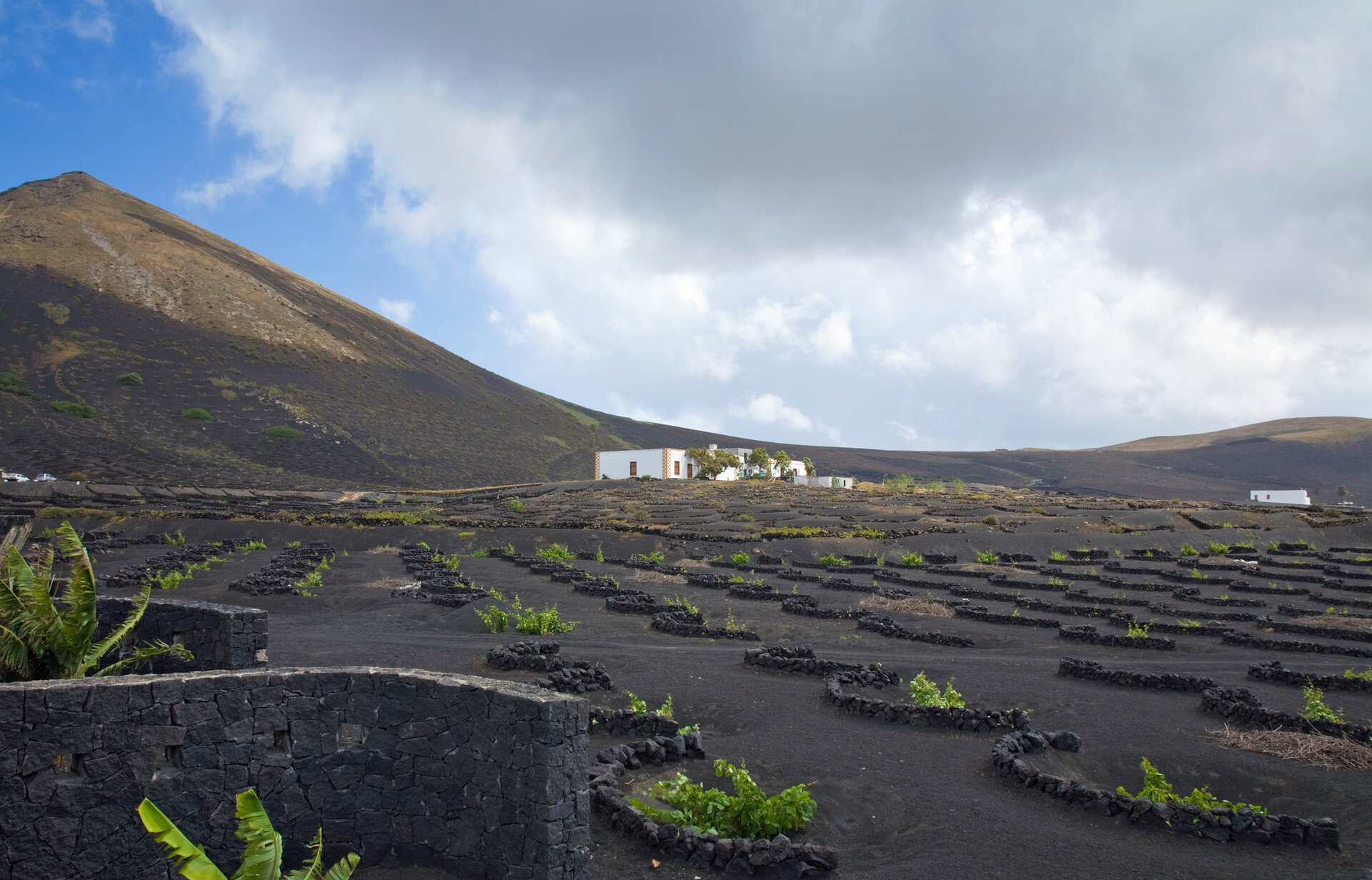
What’s on. Wine Run Lanzarote on 13-14 June 2026 in La Geria is the island’s most distinctive race weekend. Saturday runs family-friendly side activities, Sunday is the running races through the volcanic vineyards. It’s a slow tourist month otherwise: Canarian schools don’t break up until around 19 June, UK summer holidays don’t start until 23 July, and German Sommerferien begins earliest on 29 June.
Crowds and price. First two weeks of June are one of the four softest pockets of the year. Prices climb hard from around 22 June as Canarian schools break up.
Who this month works for. Runners, wine lovers, swimmers who waited for warm sea, and budget travellers who want July weather at May prices. This is the month we recommend most often to remote workers who are flexible.
July in Costa Teguise
The numbers. Average high 28.2°C, average low 20.4°C, sea 21-22°C, zero rain, 308 sunshine hours (the year’s most). Trade winds peak this month at around 19 knots average, with afternoon gusts higher.
What it feels like. Hot in the sun, cooler in the breeze. Inland (around Teguise old town, Tinajo, La Geria) feels significantly warmer than the coast because the alisios drop off as you move away from the cliffs. UV is at its annual peak.
What’s on. It’s windsurf high season at Las Cucharas. The bay hosts international windsurf events most years and the side-onshore NE wind from midday onwards is exactly what wing-foilers and intermediate windsurfers want. UK schools break up around 23 July; German Sommerferien is fully under way (Hessen and Rheinland-Pfalz from 29 June, North Rhine-Westphalia from 20 July). French été starts 4 July.
Crowds and price. High. Spanish, French, and Italian families arrive for their summer holidays. UK families arrive in the last week. Hotels run at 80% rates above January’s baseline.
Who this month works for. Windsurfers, kitesurfers, and wing-foilers (this is the best month). Families who want guaranteed sun and warm sea. Skip July if you want quiet bodegas in La Geria, empty trails at Famara, or any kind of off-season pricing.
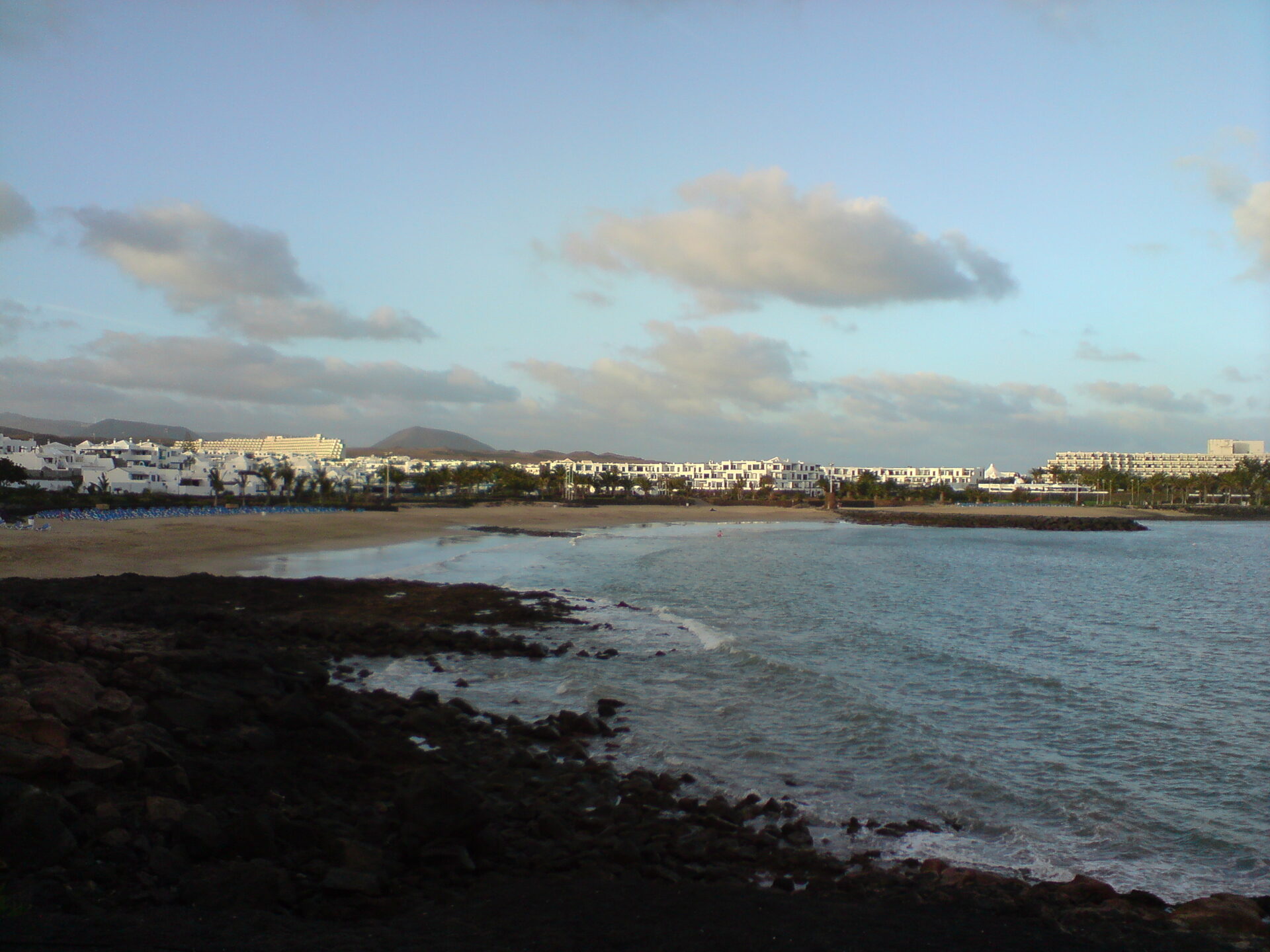
August in Costa Teguise
The numbers. Average high 29.1°C (year’s hottest), average low 21.2°C, sea 22°C, effectively zero rain, 295 sunshine hours. Wind eases slightly from July.
What it feels like. The hottest the island gets, but the trade winds keep Costa Teguise habitable in a way that mainland Spain or Italy isn’t in mid-August. Inland and the south coast (Playa Blanca, Puerto del Carmen) are noticeably hotter.
What’s on. A big year astronomically: a total solar eclipse crosses northern Spain on 12 August 2026 and the Canaries see a partial somewhere between roughly 60% and 80% coverage depending on which island you’re on (around 75% in Gran Canaria, slightly less in Lanzarote). The same week is the Perseids meteor shower peak (12-13 August). Lanzarote sits under the Canary Islands Sky Law that limits light pollution, so a clear August sky away from the Costa Teguise streetlights is one of the better Perseid views in Europe. The Famara Total Trail on 14-16 August 2026 runs 50, 25, 15, and 7.5 km options plus a Vertical Nocturna up the Famara cliffs. Spanish mainlanders take their main holiday this month so cities are empty and Lanzarote is full.
Crowds and price. Year’s busiest. Lanzarote-wide tourist arrivals peak in August (alongside October). Restaurant queues, packed beaches, no last-minute villa availability.
Who this month works for. Spanish-family travellers, families locked into school holidays, anyone who specifically wants the warmest sea and the most events. Avoid if you want any kind of solitude.
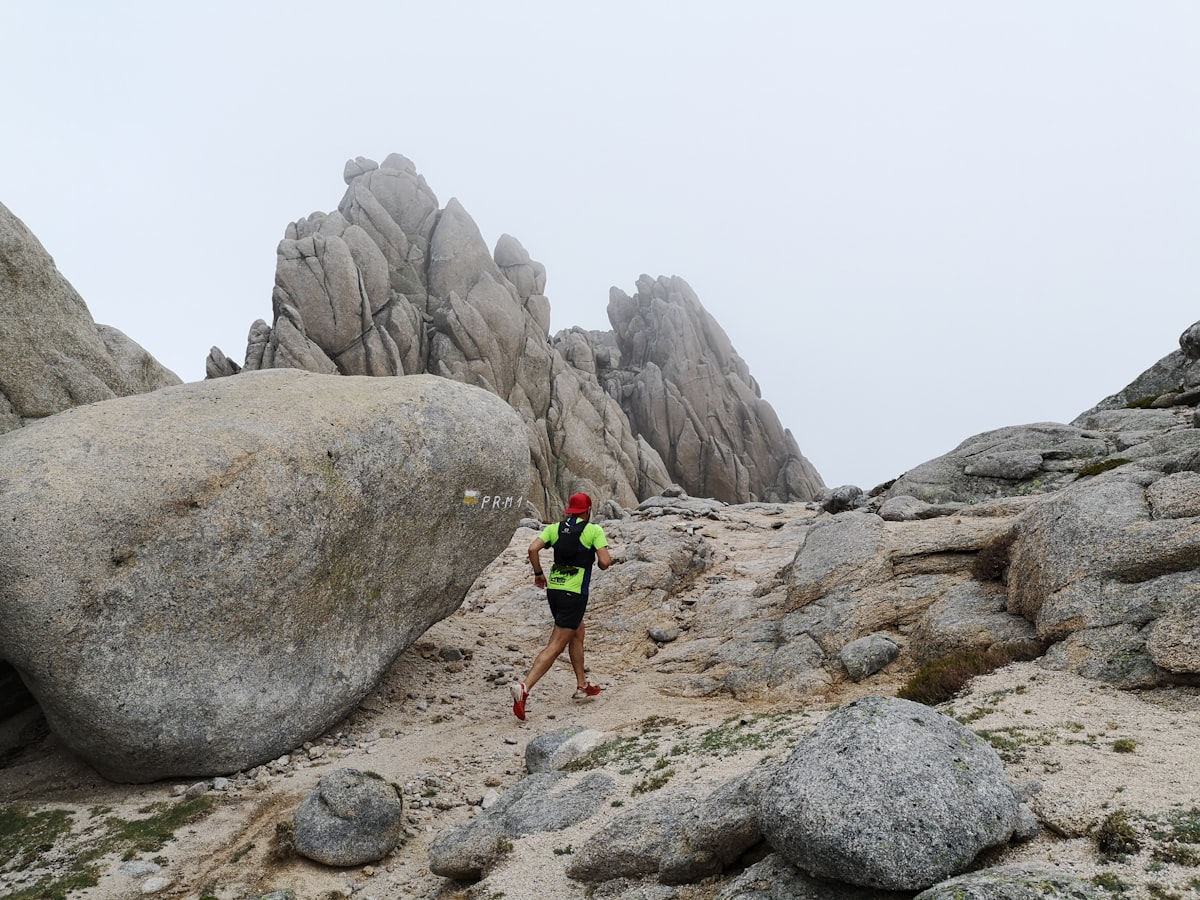
September in Costa Teguise
The numbers. Average high 28.6°C, average low 20.8°C, sea 22-23°C (the year’s warmest), 0.4 rain days, 248 sunshine hours. Trade winds dropping back from their July-August peak.
What it feels like. August weather without the August crowds, plus the warmest sea of the year. The light goes a little softer than midsummer. Most northern European school holidays have ended.
What’s on. Romería de Los Dolores on 12 September 2026 is the biggest religious-folk event on Lanzarote. Tens of thousands walk to the sanctuary at Mancha Blanca dressed in traditional Lanzaroteño dress, with food, wine, and ox-carts. It’s worth planning a day trip from Costa Teguise if you’re around. Children go back to school in the Canaries between 9 and 22 September; mainland Spain follows.
Crowds and price. Drops sharply from the second week. By the last week of September, Costa Teguise is back to a quiet shoulder feel.
Who this month works for. Swimmers (warmest sea), couples (no families, low prices, warm evenings), and anyone who has flexible dates. Along with May and October, one of our top three recommendations.
October in Costa Teguise
The numbers. Average high 26.7°C, average low 19.4°C, sea 22-23°C (still at its annual high), 1.9 rain days, 235 sunshine hours.
What it feels like. This is the month most experienced Lanzarote regulars book if they’re free to choose. Days are warm but no longer hot, sea is at its warmest, the trade winds have backed off so afternoons are calm, and the crowds and prices have dropped to shoulder-season levels.
What’s on. UK October half-term lands in this window (varies by council, typically last week of October), Italian and German autumn breaks overlap, and Dutch Herfstvakantie runs roughly 10-25 October depending on region. Mid-month is quiet, the school-holiday weeks are busy, last week eases again.
Crowds and price. Shoulder. The school-holiday weeks bump prices noticeably but week-to-week pricing is volatile, so date flexibility pays off.
Who this month works for. Almost everyone. The single best month if you can only pick one.
November in Costa Teguise
The numbers. Average high 24.2°C, average low 17.2°C, sea 21-22°C, 3.0 rain days, 207 sunshine hours. The first month where rain probability rises noticeably.
What it feels like. Properly autumn-warm, like a strong Spanish-mainland October. Sea still warm. Days noticeably shorter. Light shifts to that low-angle gold that Lanzarote photographers like.
What’s on. Saborea Lanzarote on 28-29 November 2026 is the biennial food festival held at Villa de Teguise. It is the biggest food event on the island, with most of the working bodegas, cheesemakers, and restaurants represented. November is otherwise the second-quietest month after January.
Crowds and price. One of the four softest pockets of the year alongside late January, early May, and early June. Cruise ship season is starting up at Arrecife.
Who this month works for. Foodies, wine drinkers, walkers, and budget-conscious couples. Skip if you needed full beach weather; the sea is still 21°C+ but evenings are cool.
December in Costa Teguise
The numbers. Average high 21.8°C, average low 15.4°C, sea 20°C, 3.8 rain days (the year’s most), 196 sunshine hours (the year’s fewest). 29 mm of rain.
What it feels like. Cool by Costa Teguise standards. Daylight runs roughly 7:30 am to 6:00 pm. Around half the days are still wall-to-wall sun; the others have a band of cloud or one short rain shower. Christmas decorations go up across Pueblo Marinero and the Avenida de las Palmeras from early December.
What’s on. Lanzarote International Marathon race day is Saturday 5 December 2026, with the start line at Sands Beach Resort on the Costa Teguise seafront and the full course running along the promenade past Las Cucharas. Christmas itself is the year’s price peak: northern European families fly south for guaranteed sun and there are limited rooms. New Year’s Eve drives prices higher again.
Crowds and price. Mid-December is shoulder. From around 18 December through to 6 January (Reyes / Epiphany) is the year’s most expensive window, often double the November rate. The first week of December (around the marathon) is mid-tier.
Who this month works for. Marathon runners, families who specifically want hot Christmas, and anyone who has accepted peak pricing in exchange for guaranteed sun. Skip if you wanted dependable daily beach weather; it’s good but not the 95% sunny-day rate of summer.
Best month for each kind of traveller
Sun-seekers who want the warmest weather without the crowds. September and the first half of October. Sea is at its annual high, air is still 26-28°C, schools are back, and the alisios are easing. October’s first week is the sweet spot.
Families with toddlers and small kids. May, early June, and late September. Calm sea (Playa del Jablillo’s enclosed lagoon is the gentlest swim on the island), mild but not hot air, no school-holiday crowds. Avoid August unless you specifically want the Spanish family scene.
Windsurfers, wing-foilers, and kitesurfers. July first, August second. Trade winds peak, side-onshore wind direction at Las Cucharas is reliable from midday, and the bay is set up for intermediate-to-advanced wind sport. October still has wind for wing-foiling on most days.
Surfers. October to April for Famara on the north coast (Costa Teguise itself is sheltered; serious surfers commute over to Famara, which is 20 minutes by car). December brings the cleanest and most consistent swells.
Hikers, trail runners, and cyclists. May tops the list, then October. Cool mornings, almost no rain, light trade winds. Avoid the July-August inland peak unless you start at sunrise. The LZ-1 north climb and the Famara Total Trail are perfect for runners who want a target race in August.
Digital nomads and remote workers. Mid-October to early March is the strongest stretch for remote work. The light is soft, the heat is gone, and the villa’s home office makes more sense outside summer. We have more on the workation setup in Costa Teguise for digital nomads.
Wine and food travellers. June for the Wine Run, late November for Saborea Lanzarote. The bodegas of La Geria stay open every month but are quietest from October to March, when you can taste Bodegas Los Bermejos or Bodegas El Grifo without coach tours blocking the bar.
Budget travellers. Late January, the first half of May, the first half of June, and November. Hotel rates can be 30-40% below August or Christmas in these windows. Flights are also at their cheapest in late January, early May, and early June.
What we tell our own friends
If a friend asks us when to come to Casa Los Alisios for a one-week trip and they have no constraints, we say October. If they’re constrained to school holidays, we say May half-term over August. If they want a windsurf trip, July. If they want quiet bodegas and the wine run, June. If they want to see Lanzarote at its rawest (winter swells at Famara, calima skies, low light, half-empty beaches), late January.
The averages tell you Costa Teguise is warm, dry, and sunny most of the time. The month-by-month picture is what tells you which version of the island you’ll actually get.
Frequently Asked Questions
- What is the best month to visit Costa Teguise?
- October is the single strongest month. Sea temperature is at its annual high of 22-23°C, the air is still 23°C average, the trade winds have eased, and crowds and prices are well below the August and Christmas peaks. May is a close second for hikers and runners who want cool mornings and almost no rain.
- Does it ever rain in Costa Teguise?
- Almost never. The official AEMET reference period records 111 mm of rain a year across about 19 days with measurable rainfall, concentrated in November to February. June, July, and August together average less than half a millimetre. When it does rain, it tends to come in short bursts of one to three hours.
- What is the sea temperature for swimming each month?
- The Atlantic off Costa Teguise stays between 18°C in February and March and 22-23°C in September and October. September is the warmest swim month, not August, because the sea lags air temperature by about four weeks. Most northern European visitors find anything from May to December comfortable without a wetsuit.
- What is calima and when should I worry about it?
- Calima is a Saharan dust event. It happens 24 days a year on average, mostly between January and March, and individual events last around 1.8 days. PM10 levels can rise sharply but airports rarely close. The 'supercalima' of February 2020, which closed Canary Islands airports for two days, is a once-in-a-generation outlier.
- Are the trade winds always blowing?
- A baseline NE breeze blows in every month at around 10 to 14 knots. The trade winds (the alisios that gave Casa Los Alisios its name) intensify from May through September, with July the windiest month at about 19 knots average. They are why Lanzarote summer feels 4 to 5°C cooler than the air-temperature number suggests, especially on the windward east coast where Costa Teguise sits.
- When is the cheapest time to visit Costa Teguise?
- Late January after New Year, the first half of May, the first half of June before the school holidays, and November are the four softest pockets. Christmas, New Year, Easter week, and the Spanish/UK summer school holidays push rates to roughly twice the baseline.
- Is there a hurricane season in Lanzarote?
- No. Lanzarote sits at 29°N, which is north of the typical Atlantic hurricane track. Tropical systems that make it this far almost always dissipate to extratropical lows. Storm Hermine in September 2022 was the closest call in recent memory and that was a tropical depression, not a hurricane.
- Is winter still a beach holiday in Costa Teguise?
- For most northern Europeans, yes. December and January average 21°C in the day and the sea is around 19-20°C, which is cold for swimming but fine for paddling and sunbathing. The Costa Teguise promenade stays busy through winter with British and German guests who come specifically for the warm-winter weather.
Planning your trip? Book Casa Los Alisios