Lanzarote or Fuerteventura for Cycling Training?

Cyclists who plan a winter training week in the Canaries usually narrow the shortlist to two flatter islands: Lanzarote and Fuerteventura. Both sit off the coast of North Africa, both get over 300 days of sunshine, both have well-paved roads with low traffic. Neither has the 1,800 m climbs of Tenerife or Gran Canaria. The differences come down to wind, the shape of the climbs, the cycling infrastructure on the ground, and how each island feels to ride for a week.
We live in Costa Teguise and host Casa Los Alisios. Cyclists who book in for a training week often arrive having read forums for months and still want a local read on which island to pick. This is the answer we give them, written by riders who live on Lanzarote and have ridden both.
Quick comparison: Lanzarote vs Fuerteventura for cycling
| Lanzarote | Fuerteventura | |
|---|---|---|
| Length end to end | 60 km | 100 km |
| Area | 845 km² | 1,722 km² |
| Population density | High for Canaries | Lowest in the archipelago |
| Hardest climb | Femes (final km over 15%) | Cardon (short and steep) |
| Longest climb | Tabayesco 9.6 km at 5.5% | FV-30 to Betancuria approx 5.9 km, 206 m |
| Big-name event | Ironman Lanzarote since 1992 | None of comparable scale |
| MTB stage race | 4 Stage MTB Race (UCI, Sept) + Ultrabike Lanzarote (May) | Electrón Fuertebike (Sept) |
| Pro and amateur training base | Club La Santa, since the 1980s | Playitas Resort, Las Playitas |
| Bike rental density | High (Costa Teguise, PdC, Playa Blanca, Tinajo) | Concentrated near Playitas, Corralejo, Caleta de Fuste |
| Trade wind strength | Force 4 to 6 typical | Force 5 to 6 typical, often stronger |
| Best for | Mixed climb-and-flat training, race prep, Ironman, group weeks | High-volume flat kilometres, solo volume blocks, fewer riders |
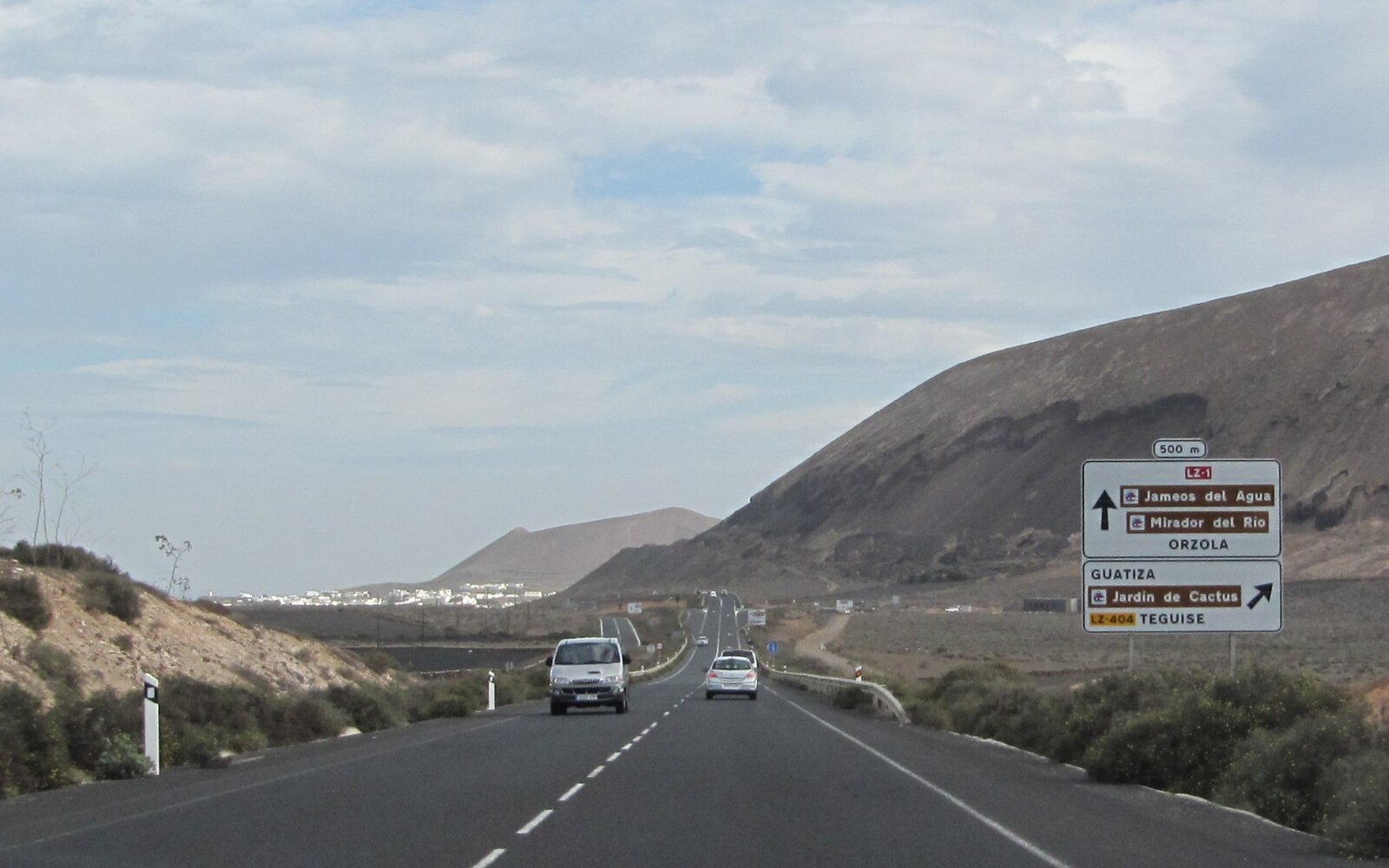
| Sea-level coastal flat | LZ-1 north to Orzola, around 25 km one way | FV-2 corridor north to south, around 110 km end to end |
Why does Lanzarote have a bigger cycling reputation?
Three reasons. Cycling history, climbs, and density of cycling infrastructure.
Club La Santa opened in Tinajo in 1983 and has hosted cyclists every month since. The International Bike Weeks now run a calendar of guided group rides at all paces from recovery (21 km/h) up to fast group (30+ km/h), led by guest pros and resident guides. The Ironman Lanzarote has been on the calendar since 1992, with over 1,000 athletes plus their coaches and partners on the island every May. The result is a 35-year base of cycling tourism that has shaped the island: bike shops in every resort, hotels with locked bike rooms, drivers who know how to pass a peloton.
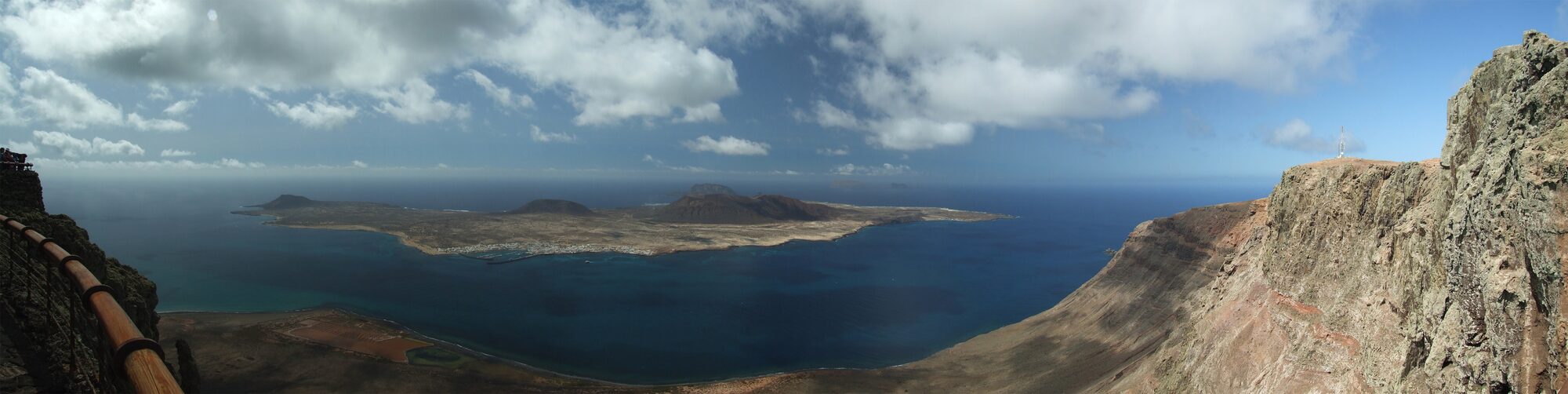
Lanzarote also has the harder climbs. The Tabayesco climb is 9.6 km at an average of 5.5%, a Strava segment with tens of thousands of attempts. Femes from Playa Blanca ramps over 15% in the final kilometre. The road from sea level at Orzola up to Mirador del Rio at 475 m gives you a sustained drag with a payoff view across to La Graciosa. Fuerteventura has nothing of comparable length.
The third reason is shape. Lanzarote is small (60 km long) so you can ride from your front door, get climbing within 20 minutes, and be back for lunch. Fuerteventura at 100 km long is built for long flat days, not for clipping in and being on a 7% gradient by km 15.
What does Fuerteventura do better?
Length, traffic and quietness on the road.
Fuerteventura is the second largest of the Canary Islands at 1,722 km², and the most sparsely populated. That means longer roads with even less traffic than Lanzarote. The FV-2 from Caleta de Fuste south through Costa Calma to Morro Jable runs around 80 km of low-rolling tarmac with the Atlantic on your left and very little to interrupt it. Riders who want a 4 to 5 hour high-volume ride without traffic lights or turns get more of that on Fuerteventura.
The FV-30 between Pajara and Betancuria is the signature road on the island for cyclists. It climbs around 5.9 km with 206 m of elevation gain through Rural Park Betancuria, on smooth tarmac with wide views. The road is open and exposed, so wind matters, but the surface and lack of traffic make it one of the better climbs in the archipelago for photos and rhythm.
Fuerteventura also has fewer cyclists on the road. Lanzarote during a Club La Santa cycling week or Ironman taper week can feel busy on the LZ-1 and around La Geria. Fuerteventura outside of Playitas Resort cycling weeks is much quieter. If you want a solo volume block in February with empty roads, Fuerteventura delivers.
How much does the wind change the ride?
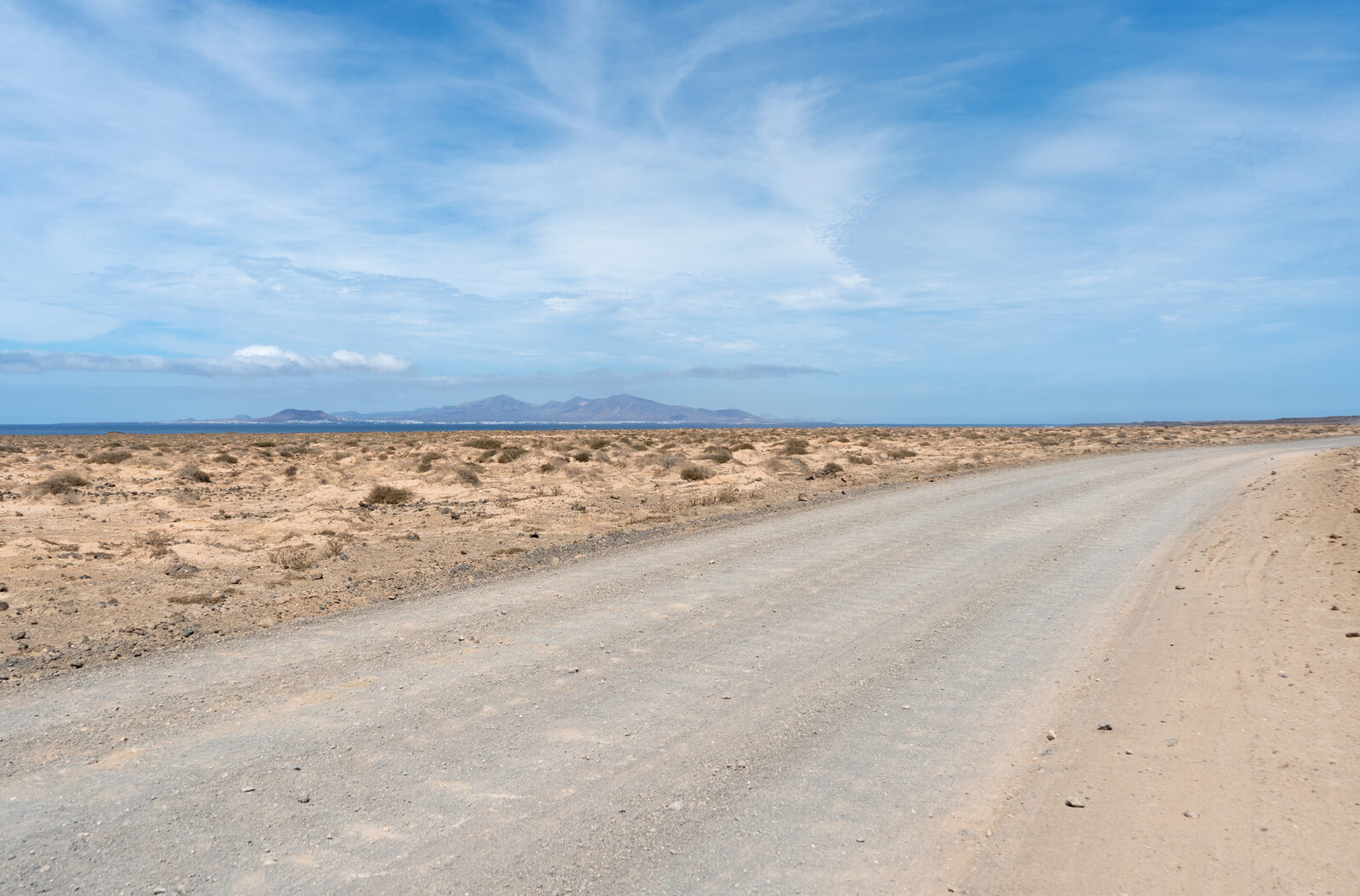
A lot. The northeast trade winds (the alisios) blow over both islands, but they hit Fuerteventura harder. The island is longer, flatter and more exposed, with less terrain to break the airflow. Force 5 to 6 winds are common in summer and still typical in winter. Riding into a headwind for an hour can drop you below 18 km/h on a flat road, and the central plain between Corralejo and Costa Calma is one of the most exposed sections in the Canaries.
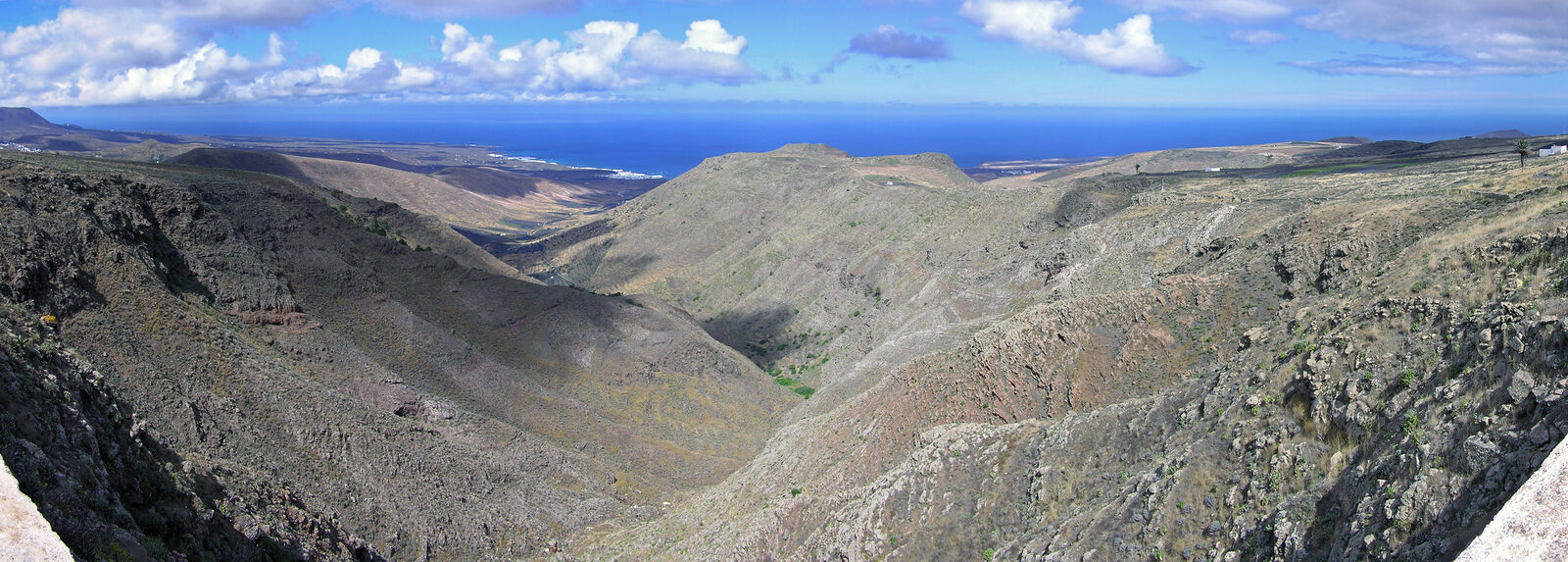
Lanzarote sees the same trade wind direction (northeast) but the island has more interior relief. The Tabayesco valley, La Geria’s volcanic depressions, and the lee side of Famara cliffs all give you wind shadow on the right route. Riders who plan loops with the wind in mind (out into the headwind, back with the tailwind) can use both islands well, but Lanzarote has more days where you can find a sheltered route.
For race prep this matters. The Ironman bike course rides 180 km with around 2,500 m of climbing, and the wind is what makes it the hardest Ironman on the calendar. Training in Lanzarote conditions is the most accurate dry run, and the course passes through Costa Teguise municipality on the LZ-1 within 5 km of Casa Los Alisios. See our Ironman Lanzarote 2026 where to stay guide for race-week logistics.
Are the roads safer on one island than the other?
Both islands have well-paved tarmac on the main routes. Side roads on Fuerteventura are quieter and the surface quality is high, with many UK and German riders calling them better than home roads. Lanzarote’s secondary roads (LZ-30, LZ-207, LZ-10) are also good, with the occasional rough patch around Tabayesco and a few concrete barriers near the Mirador de Haria that catch first-time riders out.
Driver behaviour around cyclists is calmer on both islands than in many European countries, partly because residents are used to seeing pelotons (Lanzarote) or single riders (Fuerteventura). The 1.5 m passing rule is enforced in Spain. Lanzarote has more cyclists on the LZ-1 in spring, so traffic is used to making space. Fuerteventura sees fewer cyclists, but also fewer cars, so the encounters are less frequent in either direction.
The one place where Lanzarote takes a hit is in built-up resort areas. The road from Arrecife through Tias to Puerto del Carmen has roundabouts and a 30 km/h zone. Costa Teguise itself is fine for rolling out, but the LZ-14 around the airport is busy in arrival hours.
What MTB races run on each island?
Both islands have organised MTB stage races, in case you want to mix road with off-road or pick a goal race for the trip. See our mountain biking Lanzarote guide for the trail networks behind these events.
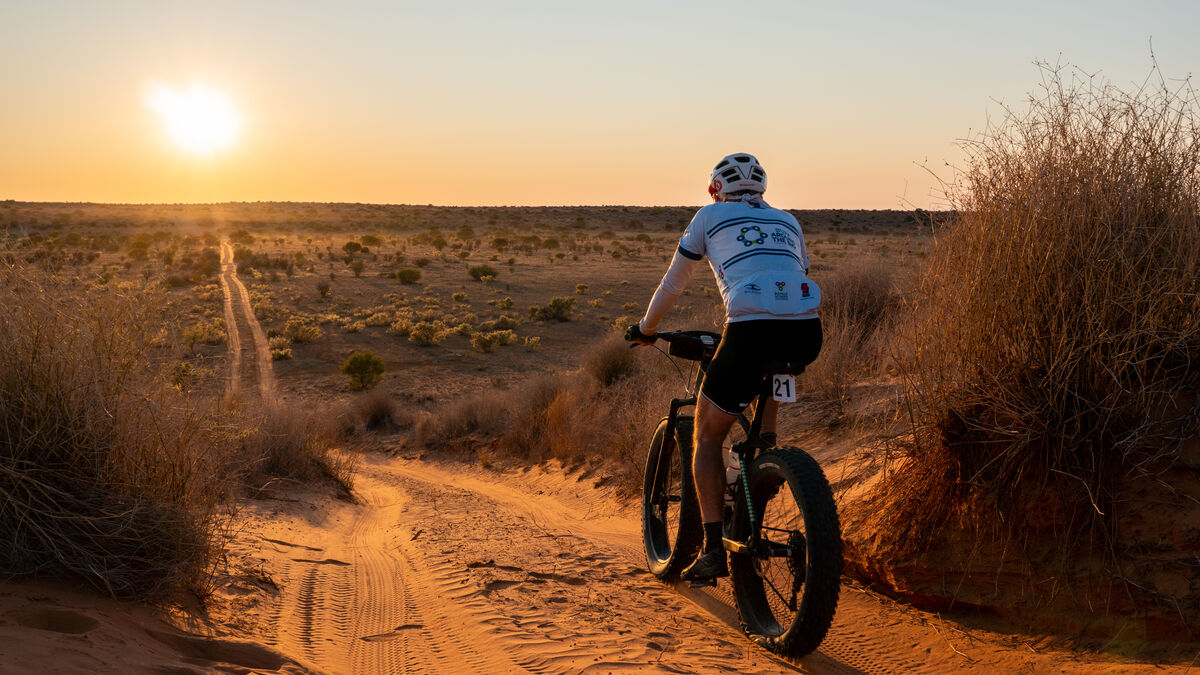
Lanzarote. The big one is the 4 Stage MTB Race Lanzarote, an official UCI XCMS S1 event run by Club La Santa. The 2026 edition runs 3 to 6 September: Stage 1 a 21 km time trial, Stage 2 at 56 km, Stage 3 at 83 km (53 km for e-bikes), and Stage 4 at 50 km. Riders can sign up for the full four stages or just the weekend two. Trails roll across lava fields and sand inland from La Santa. Earlier in the year, Ultrabike Lanzarote (also called Ultrabike Santa Rosa) is a 2-day stage race in May based out of Costa Teguise: a time trial on La Graciosa on Saturday, then the 105 km Ultrabike Santa Rosa or 52 km Costa Teguise route on Sunday. From Casa Los Alisios that one rolls out almost from the front door.
Fuerteventura. The main organised MTB race is Electrón Fuertebike Fuerteventura, departing La Oliva at the north end of the island in late September. The 2026 edition is on 26 September with a marathon course of around 72 km and a half marathon of 45 km, both crossing the volcanic interior between La Oliva and Lajares. Beyond the race, Fuerteventura also has the self-guided 6-stage Tracks Fuerteventura route, a 294 km north-to-south crossing for riders who want the island without a race number.
Where does each island work for which kind of rider?
Pick Lanzarote if: You are training for Ironman Lanzarote, La Santa Mid Distance, or any race with serious climbs. You want a structured cycling week with guided groups, café stops, and other cyclists. You want to mix road riding with mountain biking or running on the same trip. You want the option to drive 30 minutes and ride somewhere different the next day (Famara, La Geria, the north).
Pick Fuerteventura if: You want flat coastal kilometres for a base-mileage block. You prefer to ride solo or with one or two friends, not a group. You like a single-resort cycling holiday at Playitas with bikes, food and recovery on site. You want quieter roads and don’t mind that there is less to ride beyond the main routes.
If you cannot decide, the honest answer is most riders do better on Lanzarote for a first Canaries trip, then come back for Fuerteventura once they have done the Lanzarote routes. The infrastructure, the climbs and the cycling culture are deeper here. See Costa Teguise vs Puerto del Carmen for the choice between the two main Lanzarote bases.
Can you do both islands in one trip?
Yes, and a fair number of riders do. The Fred Olsen Express, Naviera Armas and Lineas Maritimas Romero ferries all run between Playa Blanca on Lanzarote’s south coast and Corralejo at the top of Fuerteventura. Crossings take 25 to 35 minutes, with around 24 sailings a day across the three operators. All three accept bikes, usually for a small extra fee, and the boats have space to wheel a bike on directly.
A typical week-long combined trip from Costa Teguise looks like this. Days 1 to 3 ride out of Costa Teguise on the Lanzarote routes (Orzola flat, Famara loop, Tabayesco). Day 4 drive to Playa Blanca (35 minutes from Costa Teguise), take an early ferry, ride the FV-30 Betancuria loop and the Pajara-Cardon road, ferry back. Days 5 to 6 ride La Geria and the Ironman bike course in Lanzarote. Day 7 fly out.
Get directions from Casa Los Alisios
The map above shows Lanzarote at the top, Fuerteventura at the bottom, and the 14 km of strait between Playa Blanca and Corralejo where the ferries cross.
Where do cyclists stay in Costa Teguise?
Costa Teguise is one of the better Lanzarote bases for road cycling. The LZ-1 coastal road runs almost traffic-free north to Arrieta, Orzola and the foot of Tabayesco. The same road goes south to Arrecife, Tias, Puerto del Carmen and the Ironman bike course. Teguise town and the start of the interior climbs is 10 minutes by bike. The airport is 15 minutes by car when you arrive with a bike box. Spar is 3 minutes on foot for ride food. The Playa Blanca ferry to Fuerteventura is a 35-minute drive.
Casa Los Alisios has a dedicated lockable bike storage room with parking at the front door for loading, a single-level layout (no stairs to carry bikes up after a long ride), and a communal pool for recovery. The villa sits a 10-minute walk from Playa El Ancla on a quiet residential street, so you can roll out without resort traffic. We host triathletes and road cycling groups most months and the kitchen is stocked for athlete meals (full-size oven, big fridge, decent coffee).
For our five tested road cycling routes from the front door, see Road Cycling from Costa Teguise: 5 Routes. For the spring race calendar, see Lanzarote Cycling Tour 2026.
Final read
Both islands work for a winter training week. Lanzarote is the deeper choice for most cyclists, with longer climbs, more cycling infrastructure, and a 35-year history of pro and amateur cycling weeks. Fuerteventura is the right answer for a high-volume flat block, a solo trip, or a single-resort cycling holiday at Playitas. The combined trip is also a real option, with the Playa Blanca to Corralejo ferry making a two-island week practical from a Costa Teguise base.
If you have a specific event you are training for, the wind and the climbs of Lanzarote are the closer match to most race conditions. If you want quiet roads and big mileage with no fuss, Fuerteventura earns its place.
Frequently Asked Questions
- Is Lanzarote or Fuerteventura better for cycling training?
- Lanzarote suits more cyclists for a winter training week. It has more climbs (Tabayesco 9.6 km at 5.5% average, Femes ramping over 15%, the long drag to Mirador del Rio), denser cycling infrastructure (Club La Santa, multiple bike rental shops, the Ironman bike course), and slightly less brutal wind. Fuerteventura is better if you want long flat coastal kilometres, fewer riders on the road, and a single sports-resort base at Playitas.
- Which island has bigger climbs, Lanzarote or Fuerteventura?
- Lanzarote. The Tabayesco climb is 9.6 km at 5.5% average, with the road continuing up to Mirador del Rio at 475 m above sea level. Femes from Playa Blanca ramps over 15% in the final kilometre. Fuerteventura's signature climb on the FV-30 between Pajara and Betancuria is shorter at around 5.9 km with 206 m of elevation gain, and the Cardon climb is steeper but also shorter.
- Is Fuerteventura too windy for cycling?
- It can be. The northeast trade winds blow harder on Fuerteventura than on Lanzarote because the island is longer, flatter and more exposed. Force 5 to 6 winds are normal in summer, less in winter. If you ride into a headwind for an hour, expect to crawl. Most riders plan loops so the return leg has the tailwind, or pick the south of the island where the wind shadow of the central spine helps.
- Can I cycle from Lanzarote to Fuerteventura?
- Yes. The Playa Blanca to Corralejo ferry crosses in 25 to 35 minutes depending on operator (Fred Olsen Express, Naviera Armas, Lineas Maritimas Romero), with around 24 sailings a day. Bikes are accepted on all three lines, usually for a small extra fee. From Casa Los Alisios in Costa Teguise, Playa Blanca is around 35 minutes by car. A combined Lanzarote and Fuerteventura cycling holiday is feasible in a week.
- Where is the best base for cycling in Lanzarote?
- Costa Teguise, Puerto del Carmen, Playa Blanca and Tinajo (around Club La Santa) all work. Costa Teguise gives you direct access to the LZ-1 coastal road north toward Tabayesco and Mirador del Rio, the Famara loop to the northwest, and La Geria vineyards to the south. Casa Los Alisios in Costa Teguise has a lockable bike storage room, single-level layout, and a 15-minute drive to the airport with a bike box. See our [road cycling routes from Costa Teguise](/blog/road-cycling-costa-teguise-lanzarote) for the five we send guests on.
Planning your trip? Book Casa Los Alisios