12 Best Snorkelling Spots in Lanzarote: A Local Guide
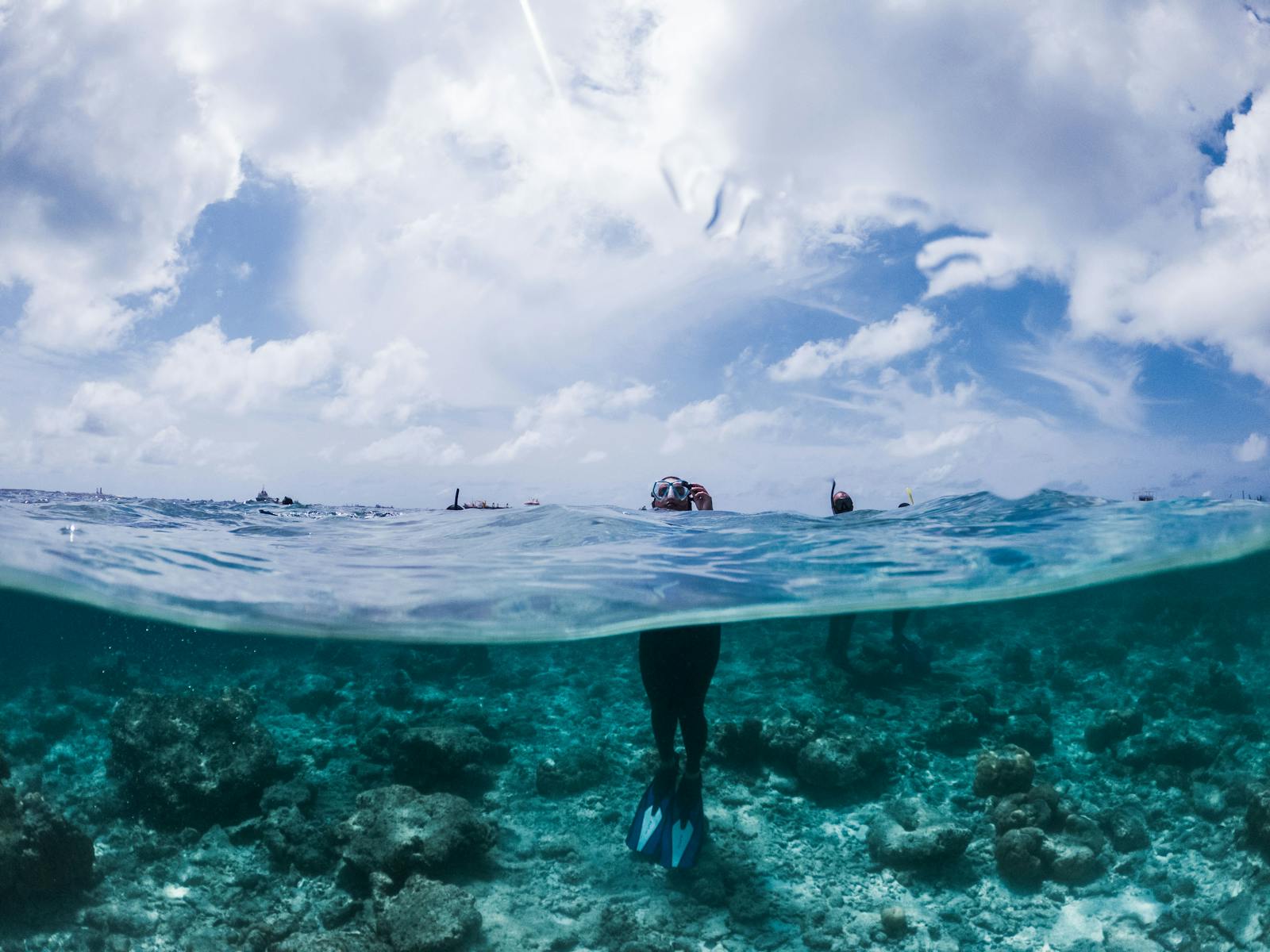
Lanzarote has a 213 km coastline and almost all of it is volcanic. That sounds like a problem for snorkelling and it isn’t. Volcanic rock is exactly what fish want to live around. Reefs form against the lava, currents push nutrients across them, and the absence of river silt keeps the water clear in most months.
We live and host at Casa Los Alisios in Costa Teguise, and we snorkel from Playa El Ancla two or three mornings a week before the wind comes up. This is the guide we send to guests who ask “where do we actually go?” — 12 spots that work, organised south to north, with honest notes on conditions, entry, and what you’ll see.
Quick orientation: the south coast (Puerto del Carmen, Playa Blanca, Yaiza) has the warmest water, the most sheltered coves and the headline site (Playa Chica). The east coast around Costa Teguise has the closest spots to the villa and works for an easy daily routine. The north coast (Mala, Punta Mujeres, Arrieta, Órzola) has the volcanic pools — cooler, wilder, with the best marine life for experienced snorkellers. Off the north tip, La Graciosa adds one more.
When to go: water temperature and clarity
| Month | Sea temp | Wind on east coast | Best for |
|---|---|---|---|
| Jan–Mar | 18–19°C | Low | Quiet beaches, 2 mm wetsuit |
| Apr–Jun | 19–21°C | Building | Warming sea, longer sessions |
| Jul–Aug | 22°C | Strong trades | Early morning only |
| Sep–Oct | 23°C | Dropping | Peak clarity and warmth |
| Nov–Dec | 21–20°C | Variable | Quiet shoulder, swell builds |
September and October are the headline months. Water is at its warmest, the easterly trades that hammer the east coast in summer drop off, and the autumn light brings the best visibility of the year. If you’re choosing when to come for snorkelling, that’s the window.
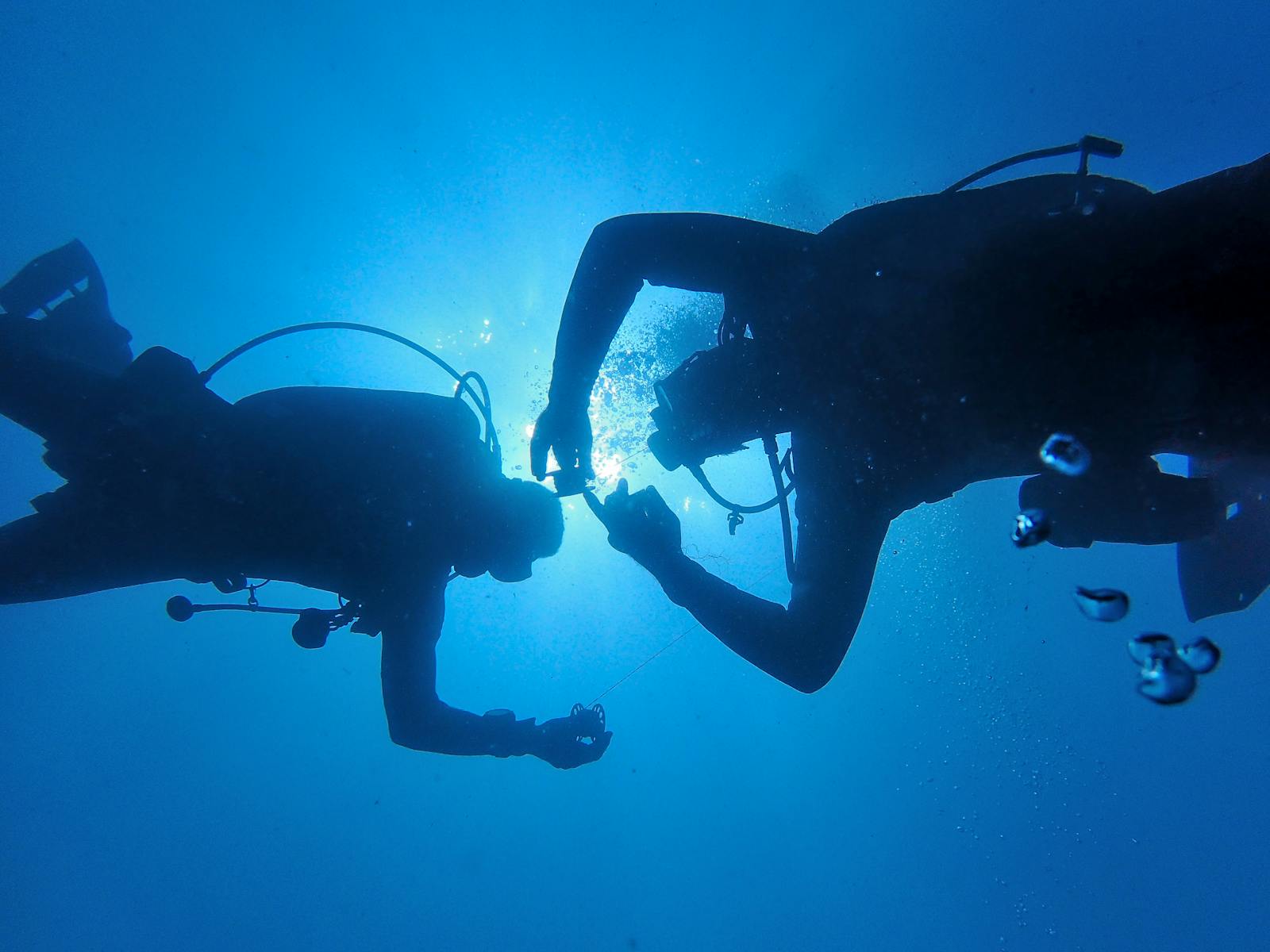
For Costa Teguise specifically, our guide to the best beaches in Costa Teguise covers conditions per beach in more detail, and the scuba diving in Costa Teguise post lists the local dive centres that also run snorkel trips.
1. Playa Chica (Puerto del Carmen)
Distance from Casa Los Alisios: 20 min drive Best for: All levels — the local headline spot Entry: Sandy walk-in from the beach Marine life: Parrotfish, ornate wrasse, Atlantic damselfish, bream, octopus, trumpetfish, occasional ray
This is the snorkelling spot on Lanzarote. Playa Chica sits inside the Lanzarote Biosphere Reserve, the reef starts about 10 m from the sand, and depth drops gently from 2 m to 12 m as you fin out. Visibility runs 15 to 25 m on a calm autumn morning.

Almost every dive centre in Puerto del Carmen runs a “discover snorkelling” session here because of the access and the fish. Bring your own gear and you can do exactly the same on your own. The rocky shelf to the right of the beach (looking out to sea) holds the most life — parrotfish work the algae, shoals of bream pass through, and the larger boulders shelter octopus and the occasional small ray on sand patches.
Get directions from Casa Los Alisios
2. Playa Papagayo (Yaiza)
Distance from Casa Los Alisios: 45 min drive Best for: Intermediate snorkellers, families with confident swimmers Entry: Sandy from the beach, rocky reefs to either side Marine life: Parrotfish, damselfish, spider crabs, occasional cuttlefish
The Papagayo cluster is seven coves at the southern tip of the island, inside the Los Ajaches protected area. Playa de Papagayo itself is the postcard cove — golden sand, hills behind, water that stays calm because the bay faces south and the wind sits at your back.
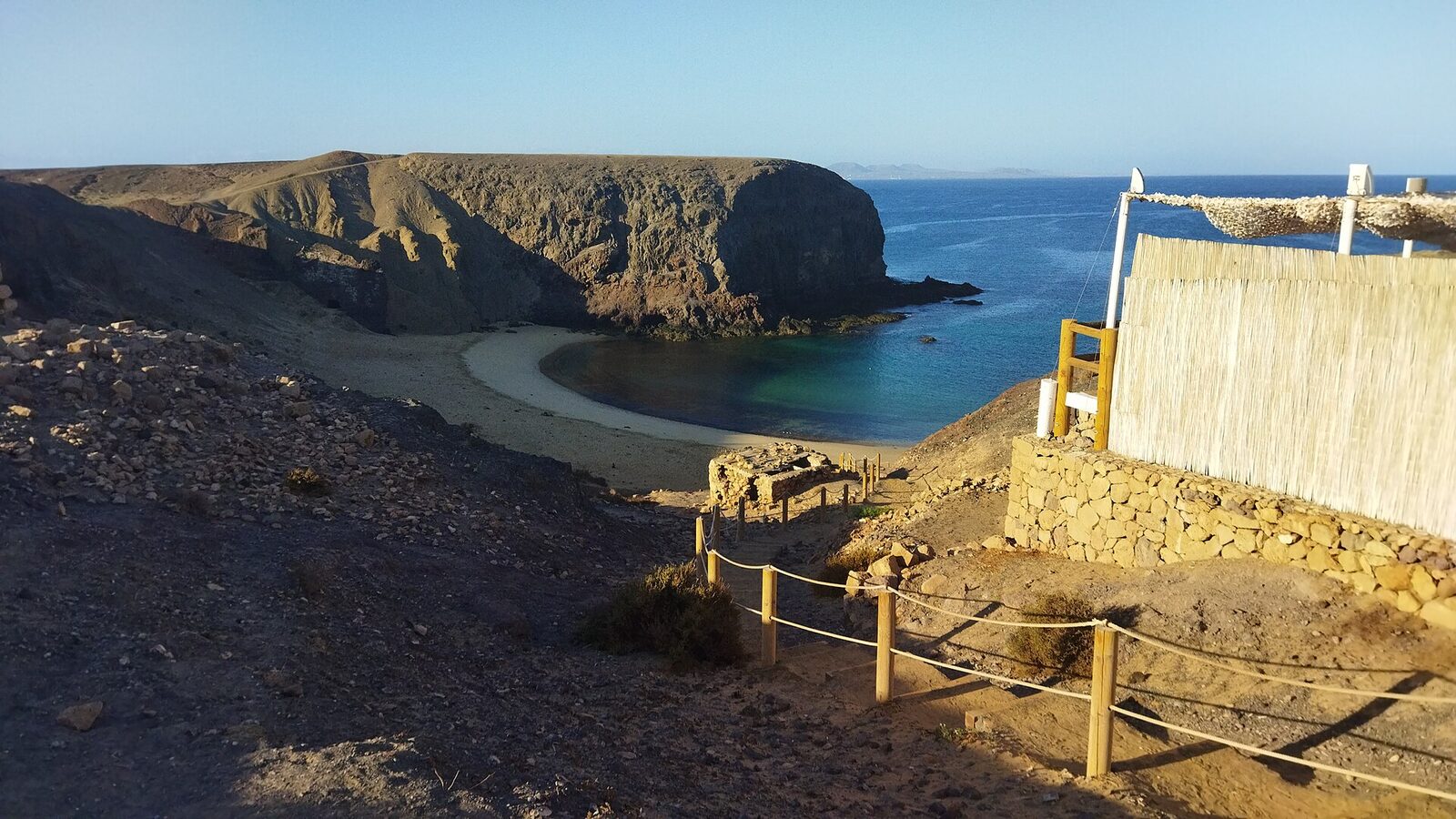
Walk to either end of the beach and the sand turns to volcanic rock — that’s where the fish are. Snorkel along the base of the rocks at depth 2 to 4 m and you’ll find parrotfish, damselfish and the spider crabs that give the area its specific character. The 4×4 dirt track from Playa Blanca charges €3 per car at the toll booth (Los Ajaches conservation fee, card payment only).
Get directions from Casa Los Alisios
3. Playa Mujeres (Yaiza)
Distance from Casa Los Alisios: 45 min drive Best for: Quieter alternative to Papagayo Entry: Sandy walk-in Marine life: Parrotfish, damselfish, the same Papagayo coast residents
The first beach you reach if you walk east from Playa Blanca along the dirt track. 400 m long, 90 m wide, sand the colour of bone, and usually less crowded than Papagayo because most visitors press on to the headline cove.
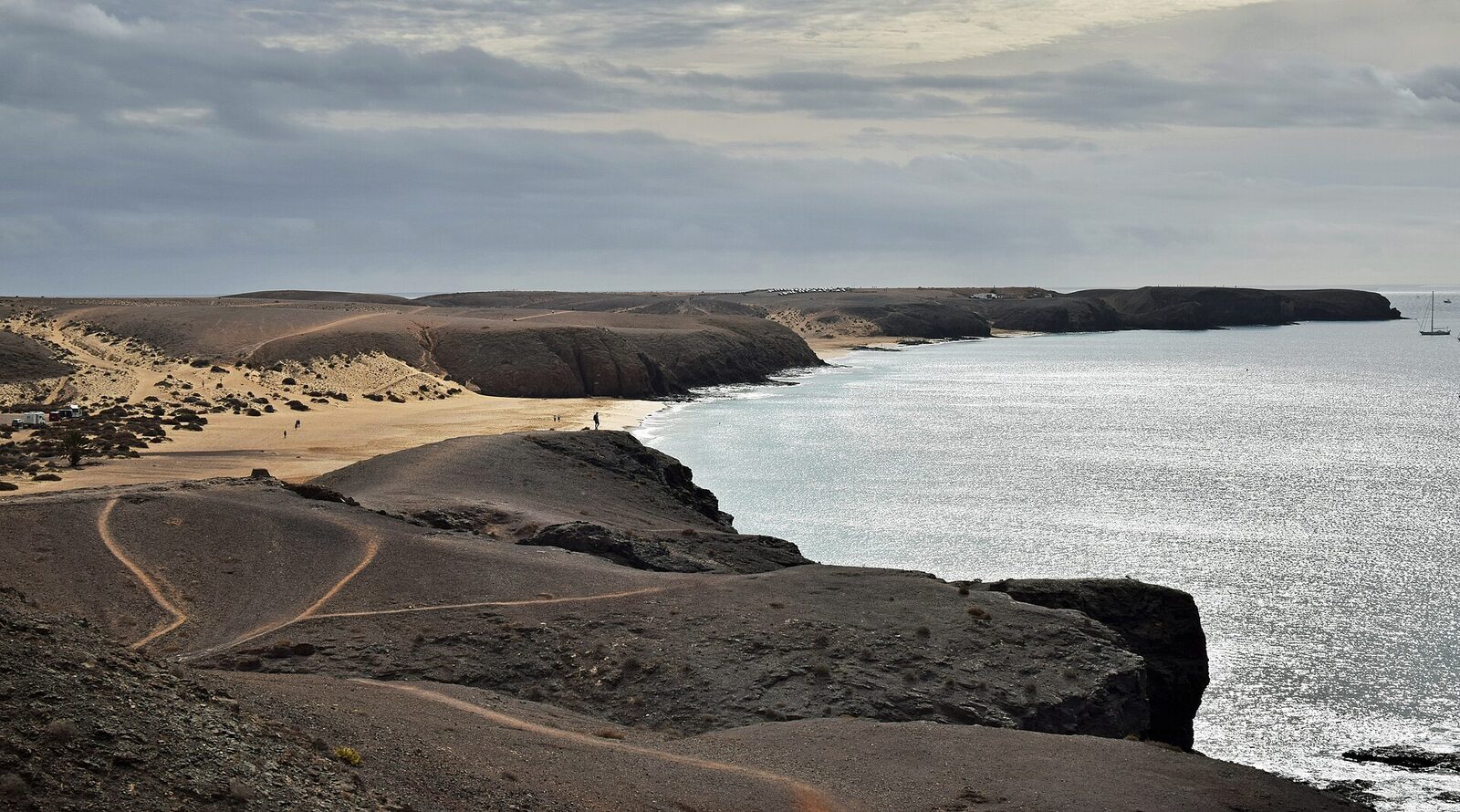
Snorkelling is best at the rocky elevated ends of the bay, where the sand meets the volcanic shelf. The same fish you’ll see at Papagayo, with less foot traffic from kayak tours. There’s a small kiosk on the cliff above but no beach service. Bring water.
Get directions from Casa Los Alisios
4. Playa Flamingo (Playa Blanca)
Distance from Casa Los Alisios: 40 min drive Best for: Families with small children, beginners Entry: Sandy walk-in, very shallow Marine life: Cuttlefish, occasional ray, small bream
Two breakwaters turn a stretch of Playa Blanca’s promenade into a sheltered horseshoe that fills like a pool. Depth runs about 9 to 10 m at the centre with calm flat water no matter what the wind is doing offshore. Lifeguard on duty in season.
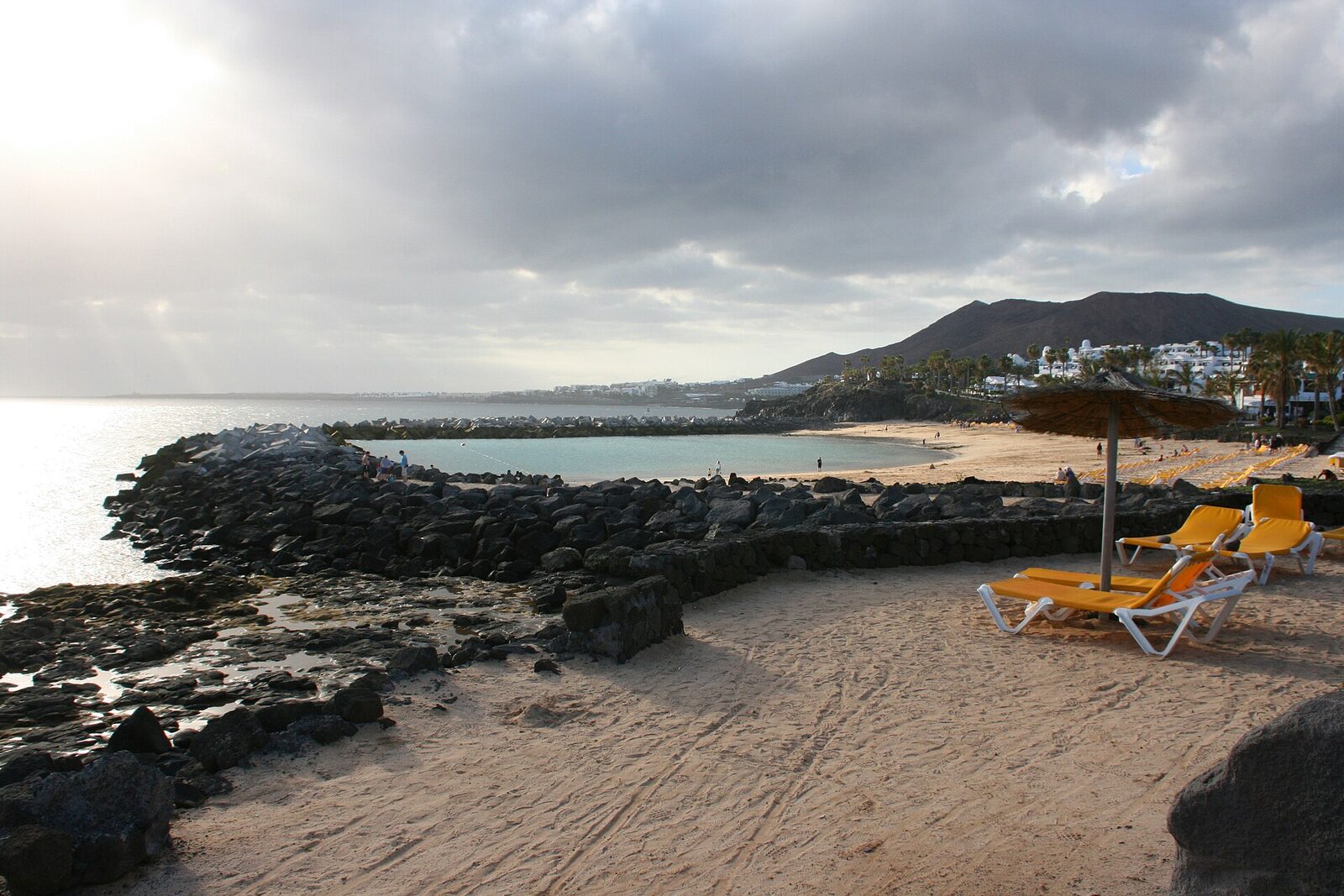
This is the easy answer for snorkelling with young children. The water is calm, the entry is sandy, and the promenade behind the beach has shops and snack bars when someone gets cold. Marine life is lighter than the wilder spots — cuttlefish sleeping on the bottom, the occasional ray, small bream. Fine for a relaxed half day with the family.
Get directions from Casa Los Alisios
5. Playa Quemada
Distance from Casa Los Alisios: 30 min drive Best for: Quiet morning swim, quiet Entry: Pebbly walk-in Marine life: Bream, damselfish, smaller reef fish
A small fishing village between Puerto Calero and Playa Blanca that’s resisted tourist development. Three restaurants on the seafront, a dark pebble beach the locals use, and a quieter cove (Playa La Arena) reachable along the cliff path or directly from the village at low tide.
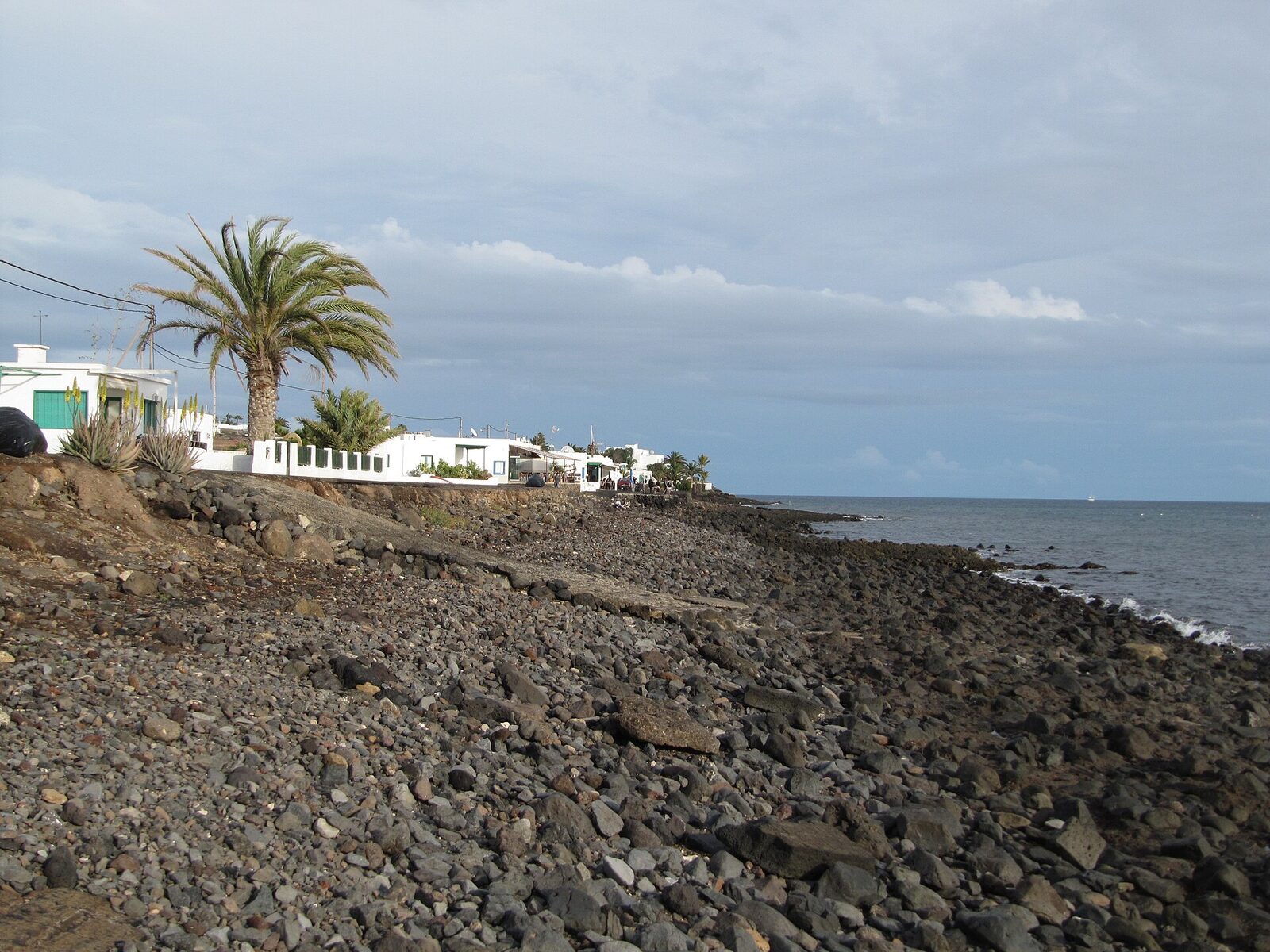
The water is calm and clear, and snorkelling along the rocky edges of the village beach turns up the usual bream and damselfish. Less fish density than Papagayo or Playa Chica, but you’ll have the cove to yourself most mornings, and lunch afterward at one of the three seafood places is part of the trip. Order the catch of the day and the papas arrugadas with sea salt.
Get directions from Casa Los Alisios
6. Playa El Ancla (Costa Teguise)
Distance from Casa Los Alisios: 10 min walk Best for: Quick morning sessions, the host’s home cove Entry: Rocky — reef shoes recommended Marine life: Parrotfish, damselfish, occasional octopus
The closest snorkel spot to the villa and our daily go-to. Cross Avenida de las Palmeras, leave the Hotel Barceló on your left, follow the dirt path down with a short left turn near Avenida del Mar. Ten minutes door to water.
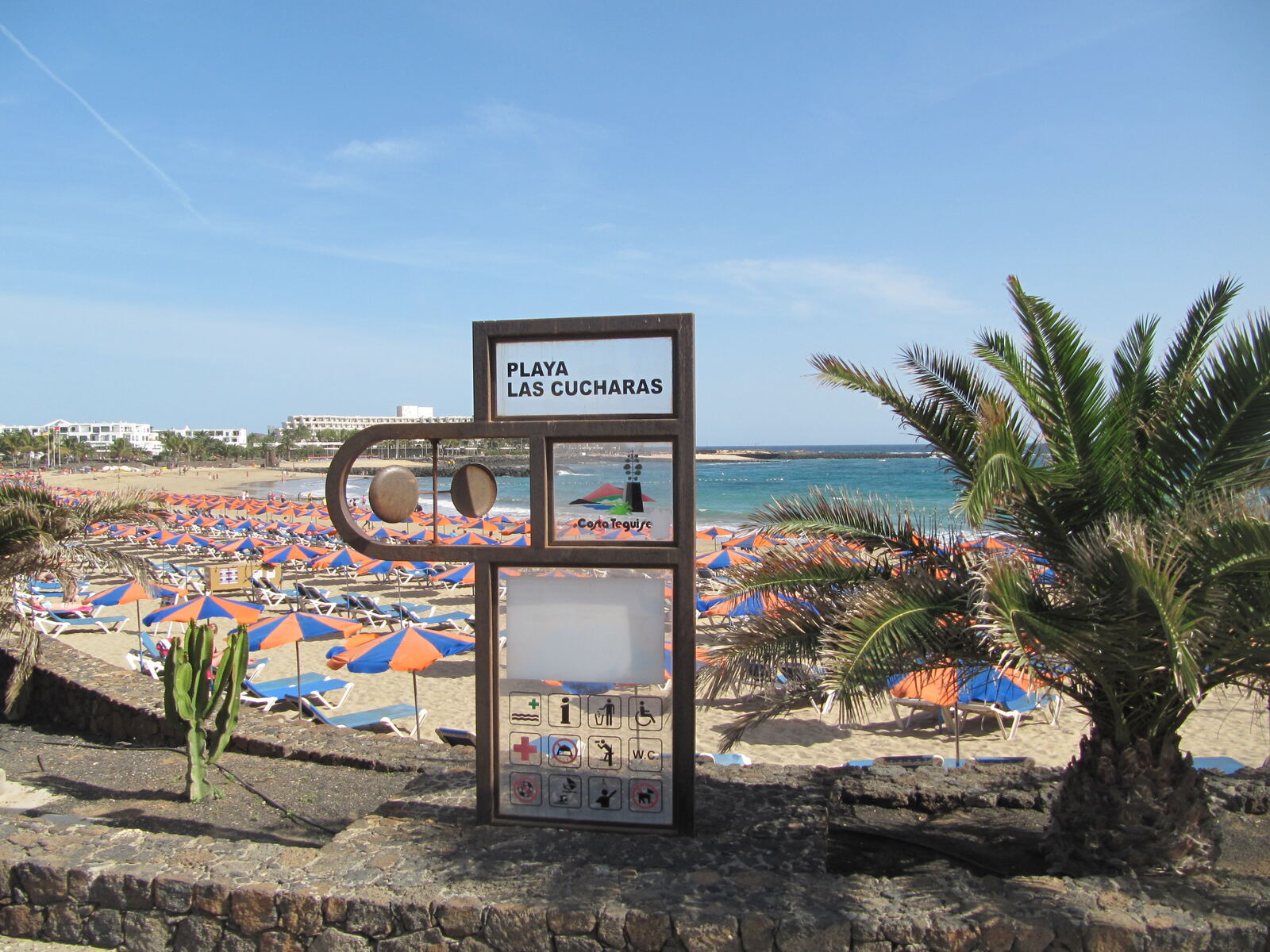
El Ancla is small and sheltered. The surrounding rocks block almost all the swell, so the cove stays glassy even on days when the trade winds are hammering Las Cucharas a few hundred metres south. Snorkel along the rocky edges and you’ll find parrotfish working the algae, damselfish in the gullies, and (about one session in five) octopus tucked into the boulders. The catch is the entry — you climb in over volcanic rock, so reef shoes (about €10 at any beach shop) save your feet.
No facilities. No bar, no lifeguard, no toilet. Bring water, leave the cove the way you found it. For sunrise this is the spot — facing east, the sun comes up directly over the water.
Get directions from Casa Los Alisios
7. Playa del Jablillo (Costa Teguise)
Distance from Casa Los Alisios: 20 min walk Best for: Families with toddlers, first time snorkellers Entry: Sandy from the beach, rock pools on the reef Marine life: Small bream, gobies, crabs, sea anemones in rock pools
A pair of breakwaters turns Jablillo into a shallow sheltered lagoon that stays calm when everywhere else has chop. This is where guests who’ve never snorkelled before do their first session — water that barely reaches your waist, no swell, and a reef edge close enough to swim out to in five minutes.
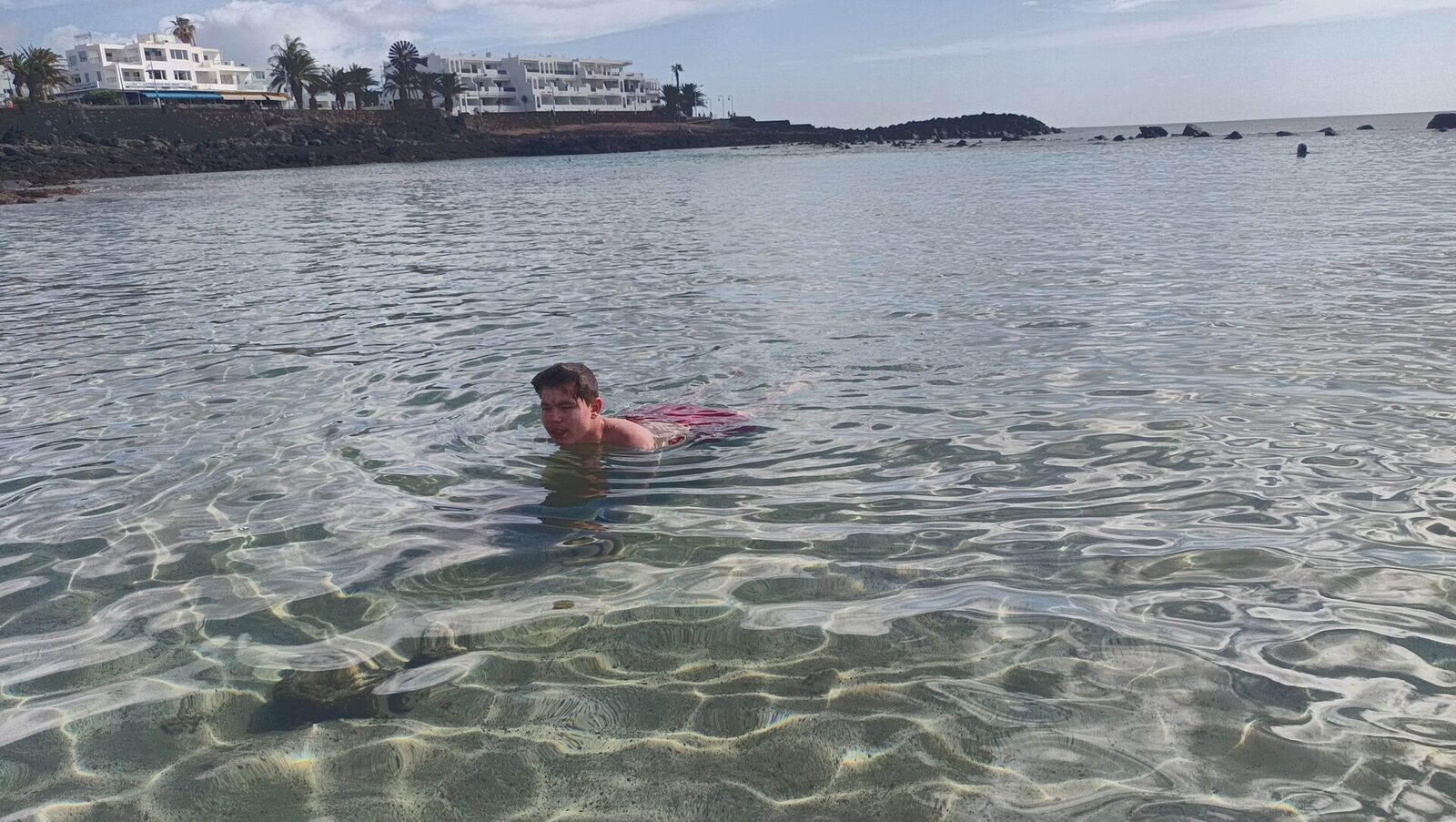
At low tide the rock pools around the edge of the bay fill with small fish, crabs, and sea anemones — bring a mask and small kids will spend an hour without leaving the rocks. For deeper water, fin out to the reef edge where bream and damselfish work the drop-off. Sunbed and umbrella rental on the sand, a kiosk for drinks. Local dive centres run scuba baptism dives here too, which gives you a sense of how forgiving it is.
Get directions from Casa Los Alisios
For more on Jablillo and the other Costa Teguise beaches, see our things to do in Costa Teguise with kids post.
8. Charco del Palo (Mala)
Distance from Casa Los Alisios: 25 min drive Best for: Experienced snorkellers — natural volcanic pools Entry: Steps and ladders into the pools Marine life: Parrotfish, wrasse, octopus, nudibranchs, small rays
Three coves carved into the volcanic coastline north of Costa Teguise, with natural pools that fill at high tide and empty at low. The village is a small naturist community (clothing-optional on the rocks, no obligation in the water). Two of the pools sit behind a rock wall that blocks the open swell; the third opens out to the sea and is the snorkelling pool.
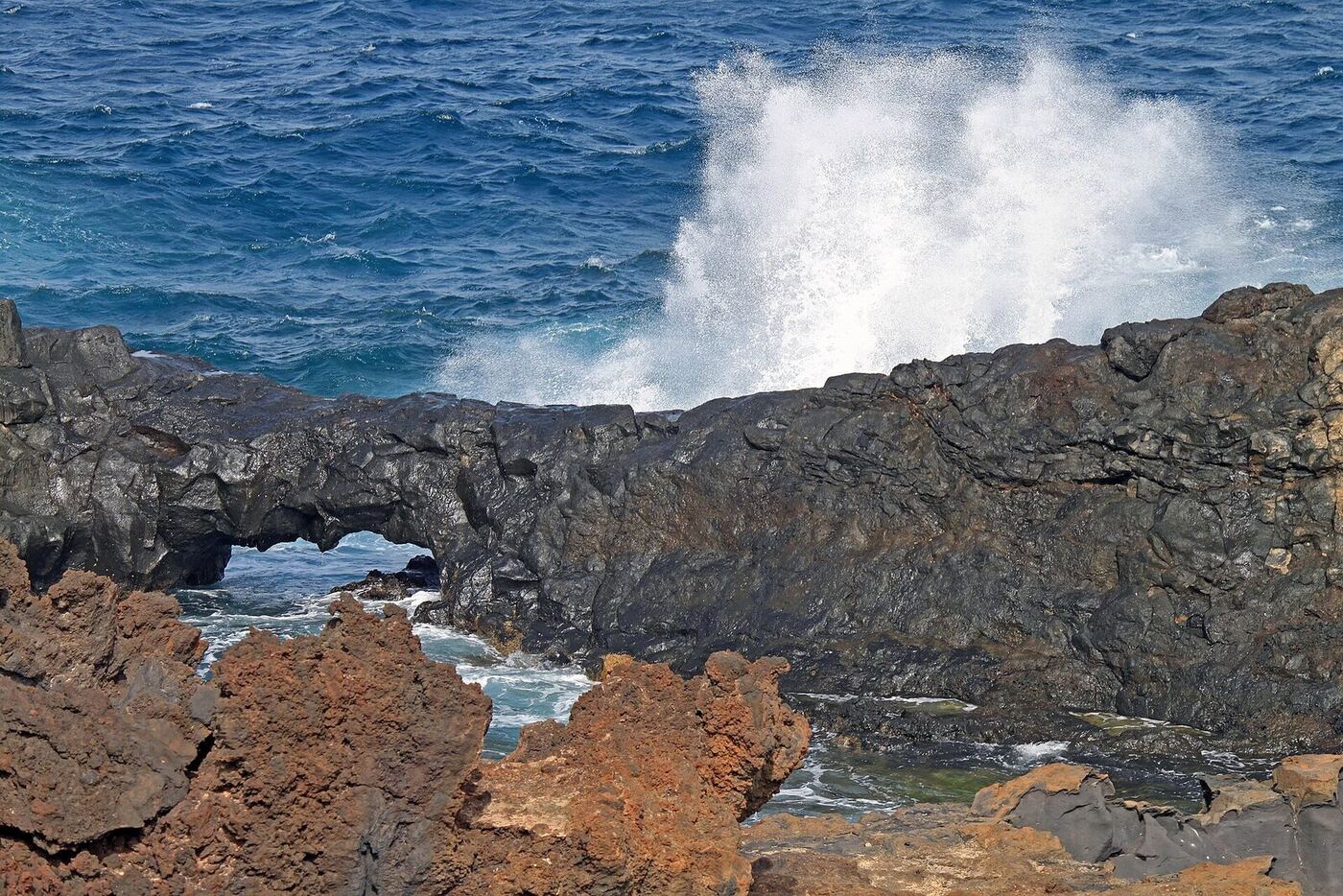
There’s a ladder down into the open sea pool. Once you’re in, fin out 20 m and the volcanic shelf drops to 6 to 8 m. Local dive centres rate this as one of the best shore dives on the east coast, which translates into good snorkelling along the same reef. Visibility runs 15 to 20 m on a calm day. Don’t go in if there’s chop — the entry rocks turn nasty fast.
Get directions from Casa Los Alisios
9. Punta Mujeres
Distance from Casa Los Alisios: 30 min drive Best for: Slow morning with multiple pool options Entry: Steps into the village pools Marine life: Damselfish, wrasse, the occasional larger fish in the open water pool
A small coastal village in the municipality of Haría with about 2 km of natural pools carved along the seafront. The pools were walled in by the villagers to protect them from the reboso (the local word for groundswell), which makes them safer than the wilder pools at Los Charcones further south. Each pool has a small flight of steps.
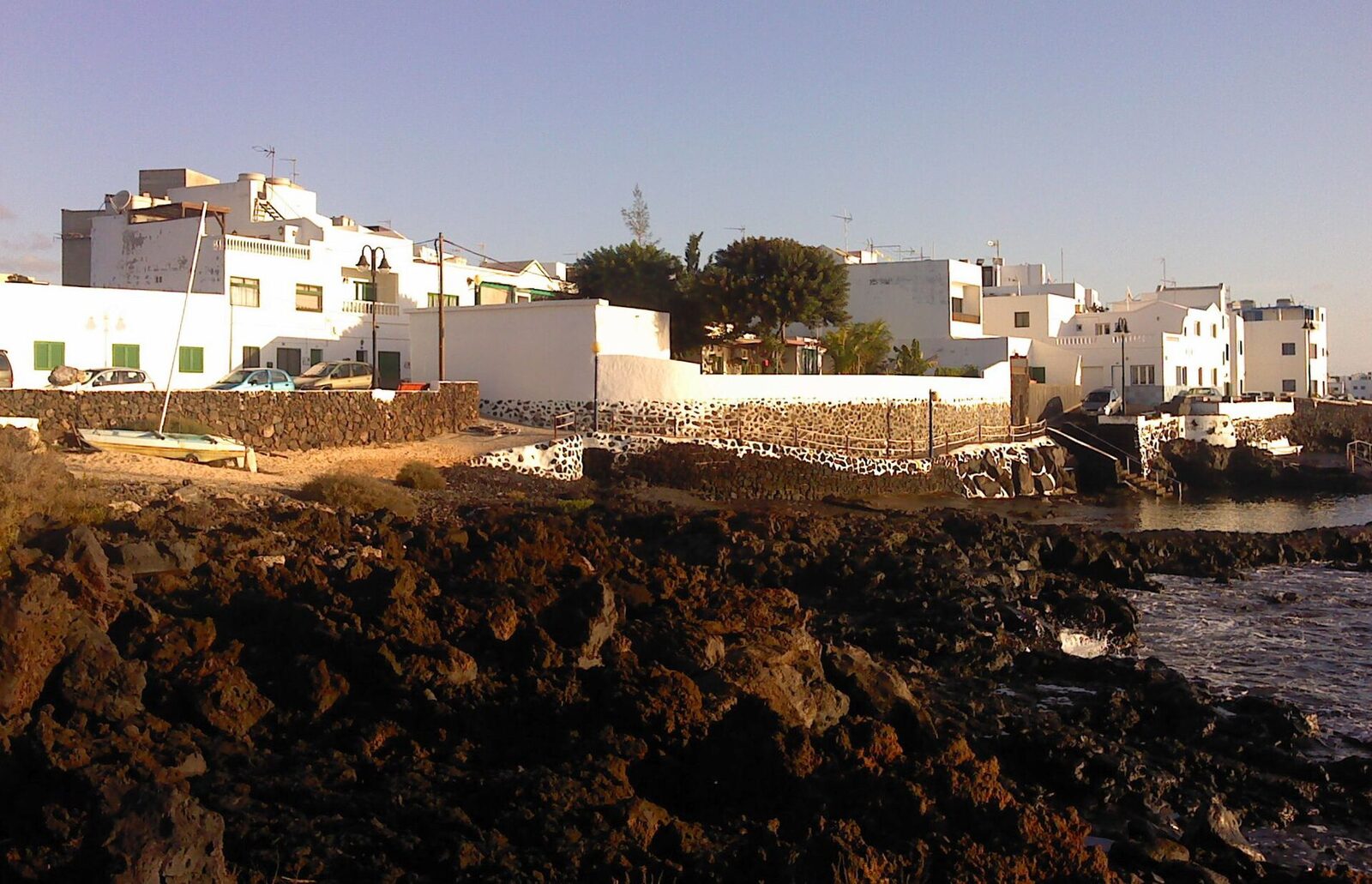
For snorkelling, the larger open water pools at the north end of the village give you the best fish density. Damselfish and wrasse in the shallows, the occasional bream or trumpetfish in the deeper pockets. The volcanic rock is sharp underfoot so reef shoes help here too. A café-bar on the seafront takes care of coffee and tapas after the swim.
Get directions from Casa Los Alisios
10. Playa de la Garita (Arrieta)
Distance from Casa Los Alisios: 30 min drive Best for: Family beach day with snorkelling on the side Entry: Sandy walk-in Marine life: Bream, sama, zebra fish, parrotfish — best around the pier
Almost a kilometre of golden sand in the village of Arrieta on the northeast coast. Easy parking, showers, dressing rooms, toilets, a children’s play area, and a promenade with cafés, bars and shops behind it. The most “family beach day” of the northern options.
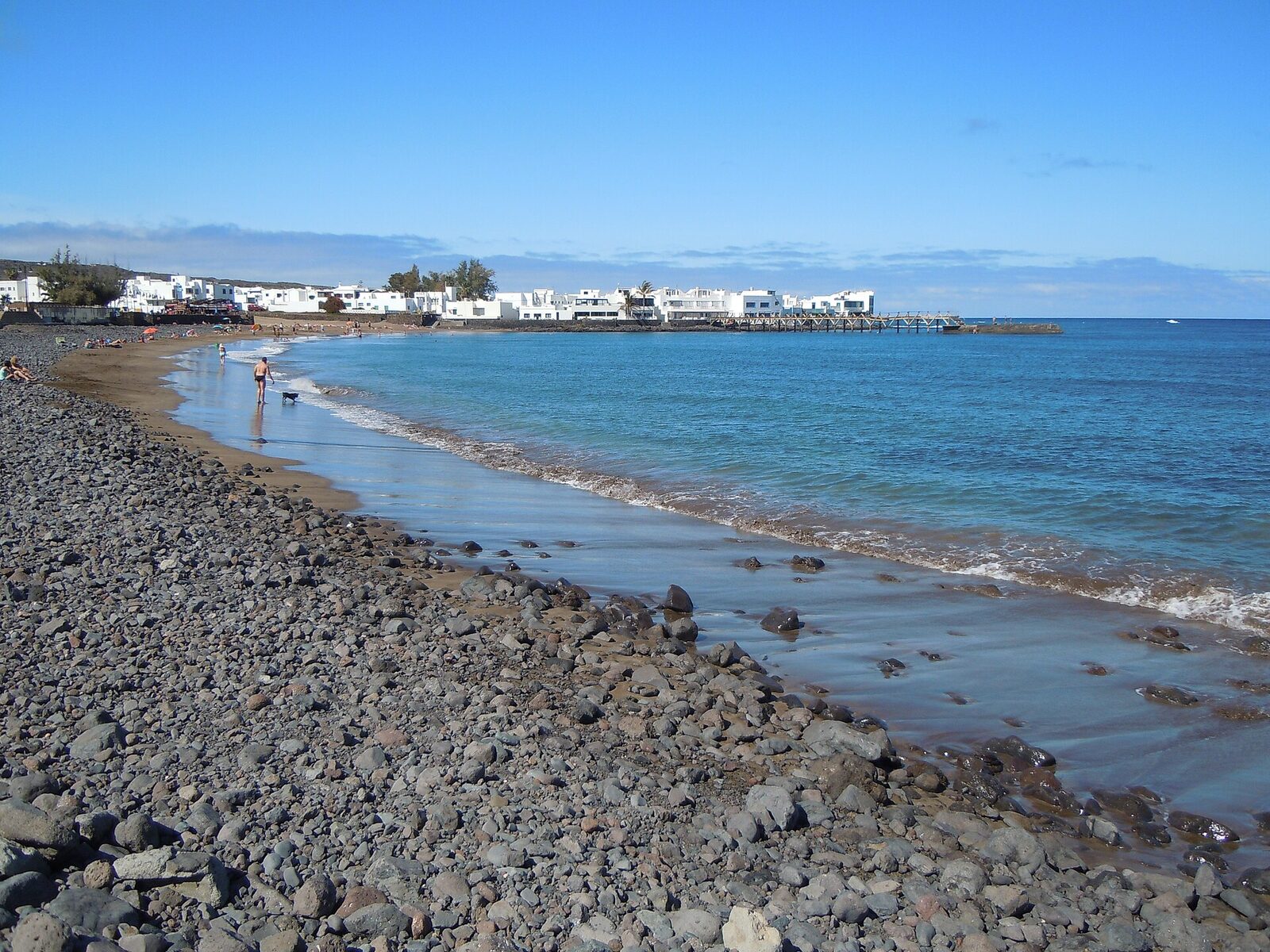
Snorkelling is concentrated around the pier on the left side of the beach — swim out to the pier legs and you’ll find bream, sama (a local red bream), zebra fish and parrotfish working the structure. The open sandy stretch has lighter fish density and the water can be a little murky after a swell. Best on a calm morning before the wind picks up.
Get directions from Casa Los Alisios
11. Caletón Blanco (Órzola)
Distance from Casa Los Alisios: 30 min drive Best for: Snorkelling in shallow pools, photography Entry: Sandy walk-in, rocky outer pools Marine life: Limpets, shrimp, crabs, blennies, small reef fish in the lagoons
One of the few white sand beaches on Lanzarote — and the contrast with the black volcanic rock around it is the reason most people make the drive to Órzola. Tide dependent: at low tide a series of calm shallow pools forms between the rocks; at high tide the sea covers most of the sand.
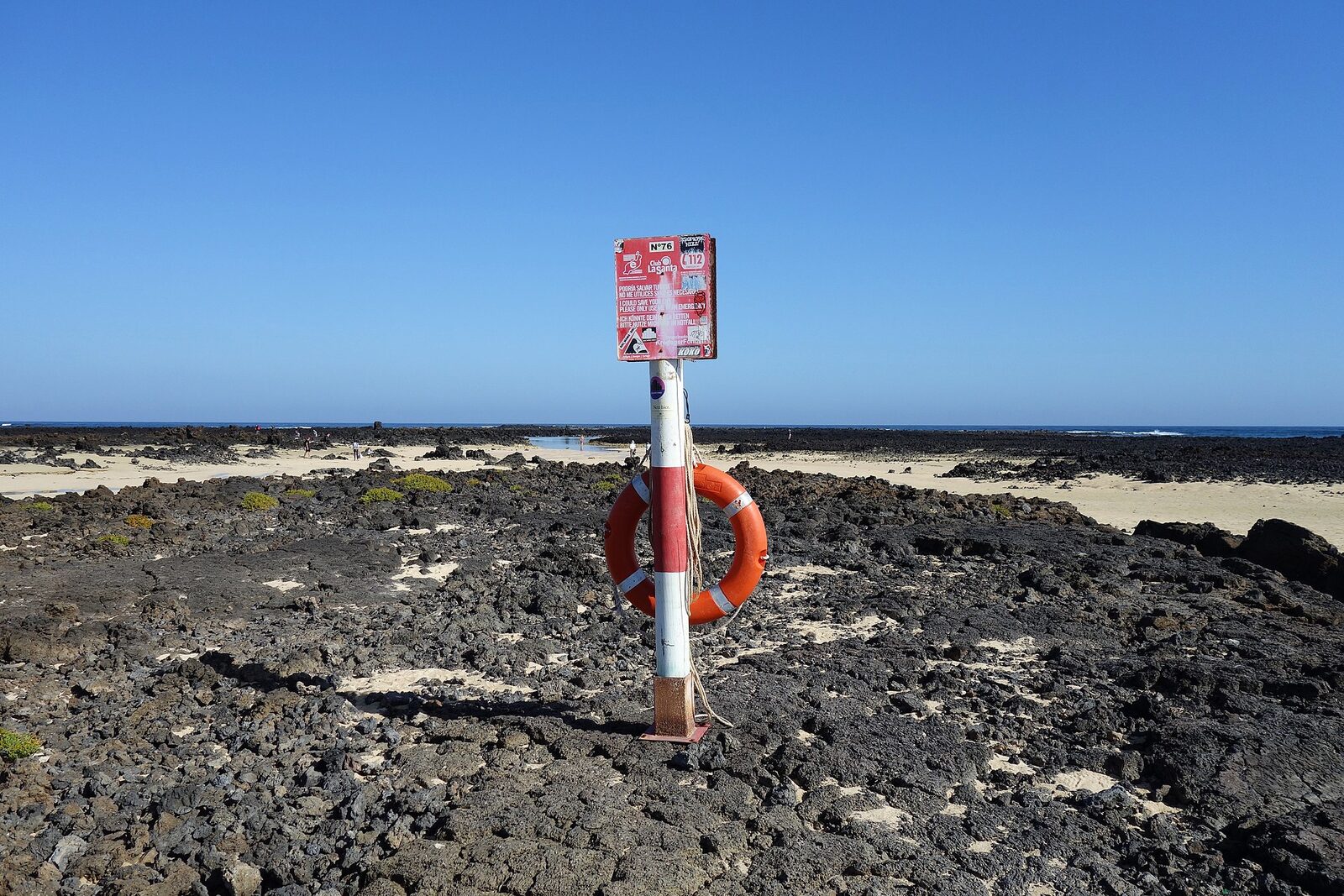
For snorkelling, time it for the second half of an outgoing tide. The lagoons are shallow (knee to waist deep) but full of life — limpets and shrimp on the rocks, small blennies in the pools, the occasional small reef fish coming in with the swell. Not the place for big fish snorkelling, but a good half day if you’re already up in the north for La Graciosa or the Mirador del Río. No facilities, bring everything.
Get directions from Casa Los Alisios
12. Playa Francesa (La Graciosa)
Distance from Casa Los Alisios: 30 min drive to Órzola + 25 min ferry to Caleta del Sebo + 35 min walk Best for: A full day trip with the best snorkelling visibility on the island Entry: Sandy walk-in, shallow lagoon Marine life: Bream, parrotfish, wrasse, the full Atlantic reef cast
The eighth Canary Island, reached by a 25 minute ferry from Órzola with Líneas Romero or Biosfera Express, about €29 return for adults and roughly hourly departures from 08:00 to 18:00 (later in summer). Playa Francesa is on the south side of La Graciosa facing Lanzarote across the El Río channel, a 35 minute coastal walk or 5 minute 4×4 taxi from the ferry port at Caleta del Sebo.
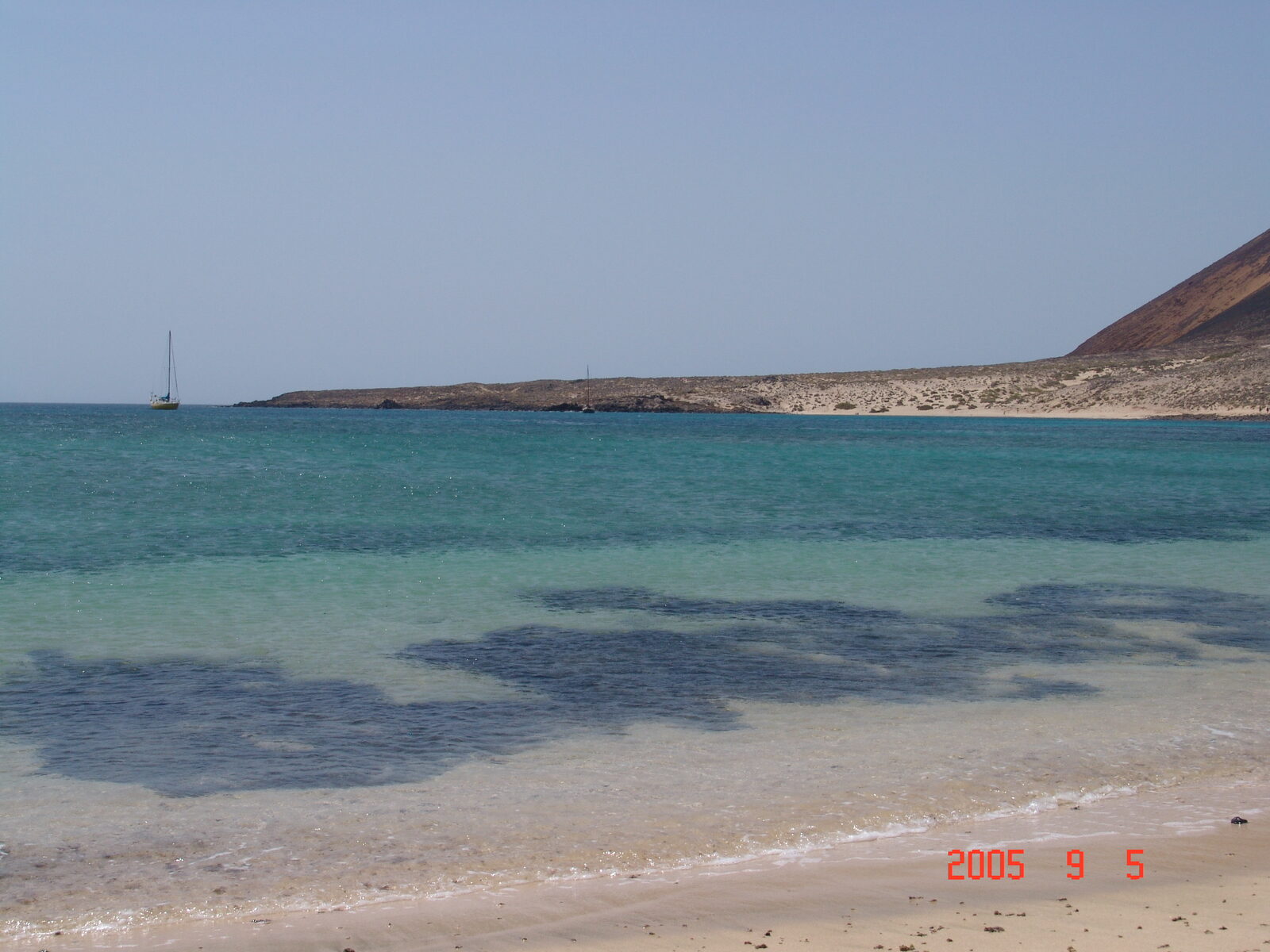
At high tide a shallow lagoon forms behind a sandbar, which is perfect for swimming with kids and easy snorkelling along the sandy bottom. The reef proper sits a few metres further out — fin past the lagoon edge and you’ll find bream, parrotfish, wrasse, and the cleanest visibility in this guide. La Graciosa has no paved roads, no service infrastructure, no shade at the beach — bring everything you’ll need for the day. Last ferry back to Órzola typically at 18:00 or 19:00 depending on season.
For the full day trip plan, see our La Graciosa day trip guide.
Get directions from Casa Los Alisios
What to bring and what to know
Gear. Mask, snorkel, fins. Reef shoes for the rocky entry sites (El Ancla, Charco del Palo, Punta Mujeres, Caletón Blanco). A 2 mm shorty wetsuit from December to April makes the difference between a 10 minute dip and a 40 minute session.
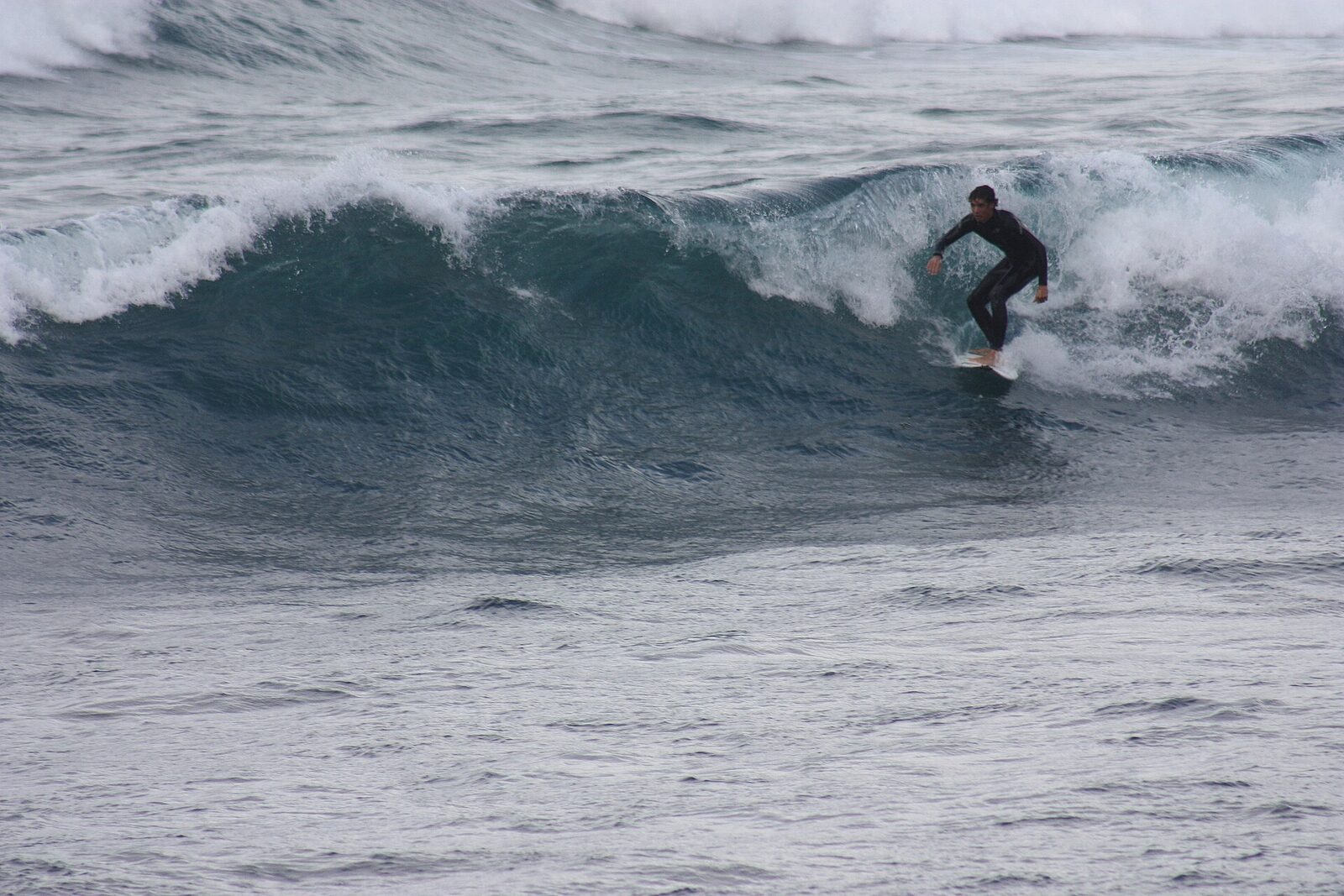
Wind and waves. The northeast trade winds dominate the east coast from May to September, picking up around midday and dropping at sunset. For Costa Teguise, Famara and Arrieta sites, go in the morning before 11:00. The south coast (Puerto del Carmen, Playa Blanca, Papagayo, Quemada) stays calmer all day because it sits in the wind shadow of the island.
Safety. Never snorkel alone in remote spots (Charco del Palo, Caletón Blanco, La Graciosa). Check the swell forecast at Windguru Costa Teguise or Surfline before the wilder northern spots. If the local lifeguards have raised a yellow or red flag, don’t go in regardless of how it looks.
Marine reserve etiquette. Don’t touch, don’t take. Octopus and the larger fish in Playa Chica are used to snorkellers — keep your distance, don’t chase. Sunscreen: reef-safe brands only at the protected sites.
For a full picture of Lanzarote beyond the water, see our top things to see in Lanzarote island pillar.
Snorkelling from Casa Los Alisios
We host at Casa Los Alisios in Costa Teguise — a 4 bedroom villa with a 10 minute walk to Playa El Ancla and 20 to Jablillo. Guests use it as a base for the wider snorkelling tour: morning session at El Ancla, breakfast back at the villa, then drive to Playa Chica or Charco del Palo for the afternoon. Reef shoes, masks, fins and beach towels live in the gear cupboard for guest use. The communal pool at the complex is the rinse after snorkelling before lunch.
If you’re putting together a Lanzarote trip and snorkelling is on the list, the villa works as a hub. Sept–Oct is the booking window we’d point you to for the best water — and the cheapest flights of the autumn.
Frequently Asked Questions
- When is the best time to snorkel in Lanzarote?
- September and October. Sea temperature peaks around 23°C, the easterly trade winds drop after summer, and visibility runs 15 to 20 m at most rocky entry sites. January to March is the coldest stretch at about 18°C but still swimmable in a 2 mm wetsuit, with quieter beaches and lower entry-level swell on the east coast.
- Where is the best snorkelling beach in Lanzarote?
- Playa Chica in Puerto del Carmen. It sits inside the Lanzarote Biosphere Reserve, has a sandy walk-in entry from the beach, and hosts shoals of bream, parrotfish, ornate wrasse, Atlantic damselfish, the occasional octopus and ray. Most dive centres run snorkel sessions here because the reef sits directly off the beach.
- What can you see snorkelling in Lanzarote?
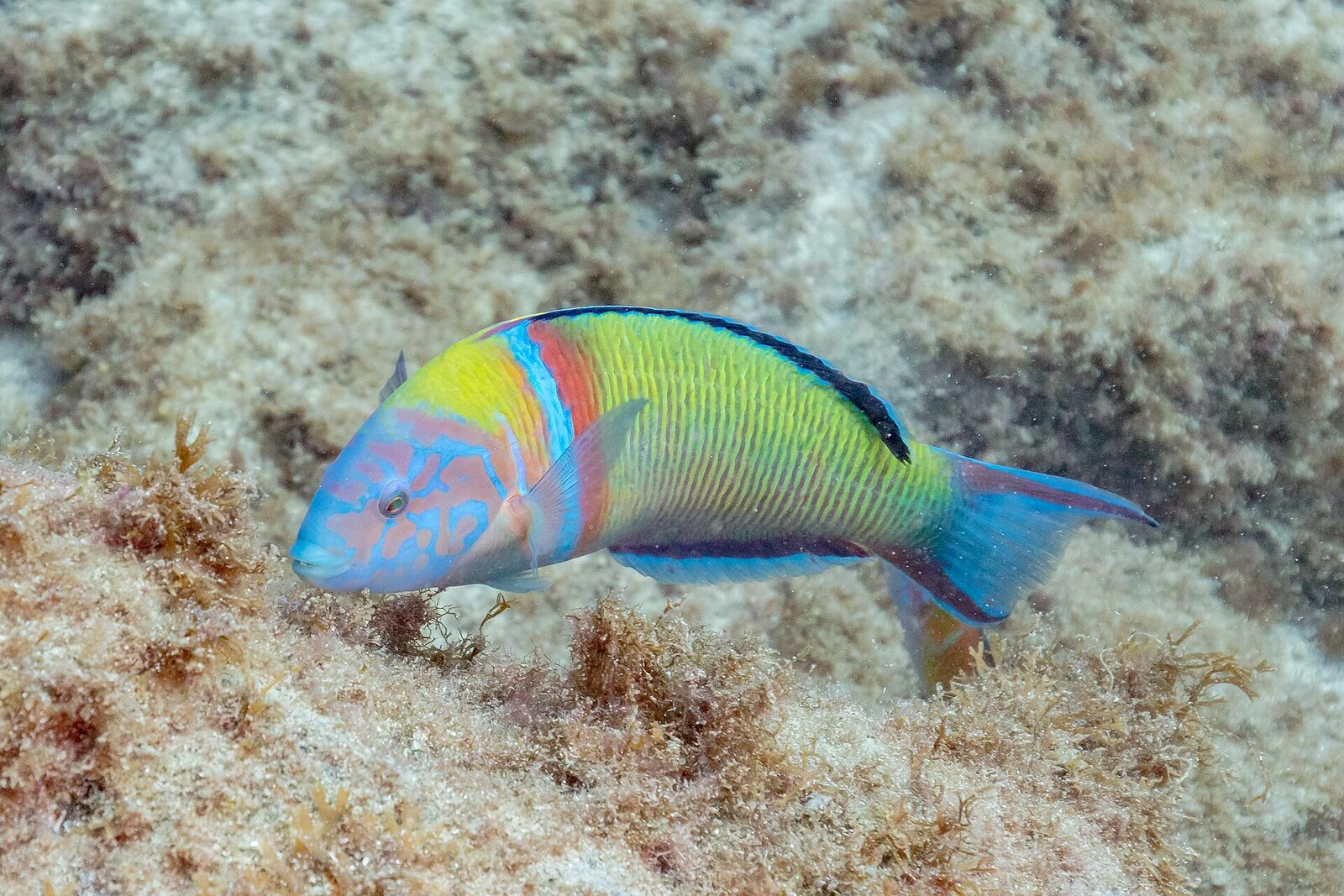
- Parrotfish (Sparisoma cretense), ornate wrasse (Thalassoma pavo), Atlantic damselfish, several types of bream, trumpetfish, octopus and cuttlefish on most rocky reefs. Northern sites like Charco del Palo and Punta Mujeres add nudibranchs and small rays. Playa Chica and Papagayo occasionally turn up the larger pelagics — barracuda schools and angel sharks in winter.
- Do you need a wetsuit to snorkel in Lanzarote?
- From May to November, no — a swimsuit is enough at 20 to 23°C. December to April sits at 18 to 19°C, which is bracing without neoprene. A 2 mm shorty makes the difference between a 10 minute dip and a proper session. Reef shoes are useful at most spots because so many entries are over volcanic rock rather than sand.
- Is snorkelling in Lanzarote safe for beginners and children?
- Yes, if you pick the right beach. Playa Flamingo in Playa Blanca and Playa del Jablillo in Costa Teguise are sheltered behind breakwaters and stay calm even on windy days. Avoid the north coast (Caletón Blanco, Caleta de Famara) in big swells. Always swim within sight of others and check the wind forecast before you head out.
Planning your trip? Book Casa Los Alisios